Listen to this Post
Introduction:
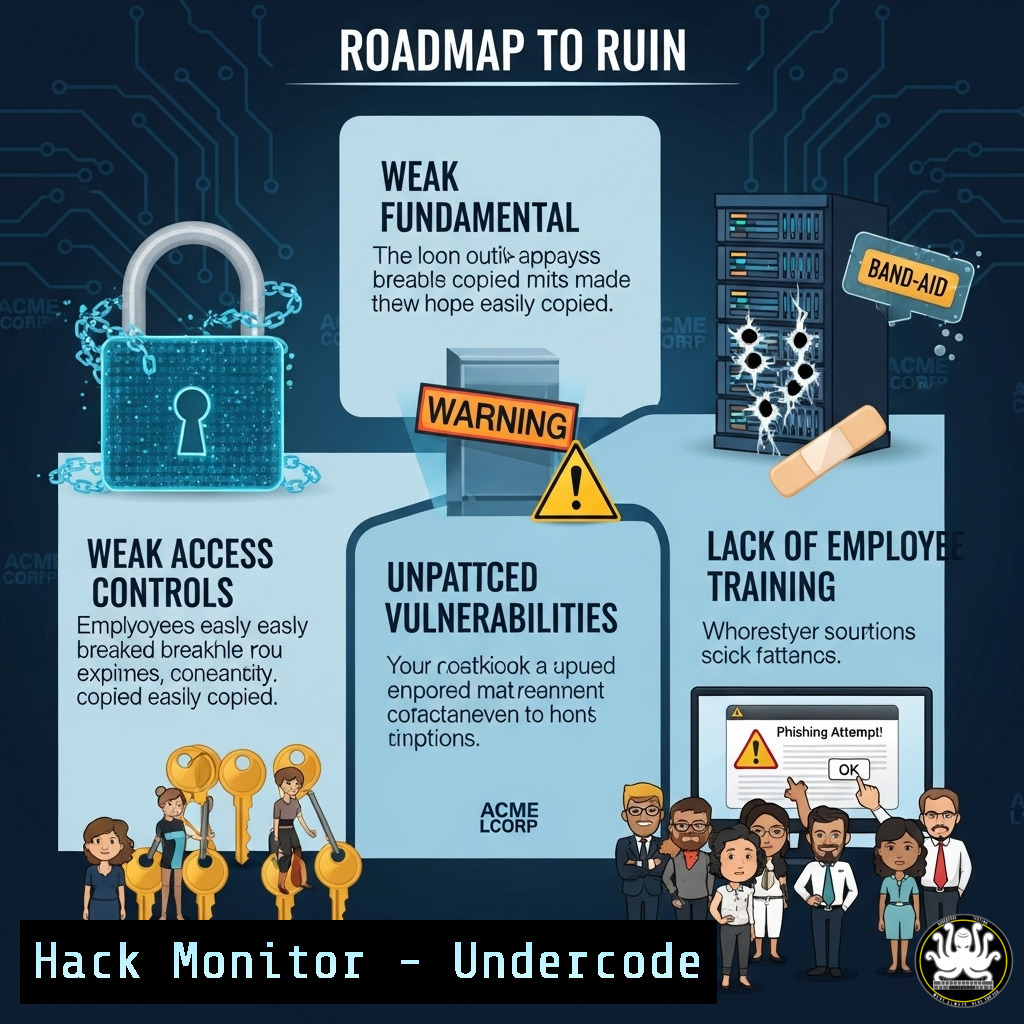
In an era of advanced AI threats and zero-day exploits, the most devastating breaches often stem from neglecting foundational security principles. This article deconstructs the core technical controls and administrative practices that form an unbreachable defense, moving beyond expensive silver-bullet solutions to practical, actionable security.
Learning Objectives:
- Implement critical hardening commands for Windows and Linux environments
- Configure essential logging and monitoring to detect early-stage intrusions
- Establish secure remote access protocols and network segmentation
- Develop incident response procedures for common attack scenarios
- Apply cloud security configurations for AWS and Azure environments
You Should Know:
1. Windows Server Hardening Fundamentals
`Set-ExecutionPolicy Restricted -Force`
`Get-Service | Where-Object {$_.StartType -eq “Automatic” -and $_.Status -eq “Stopped”} | Stop-Service -PassThru | Set-Service -StartupType Disabled`
Step-by-step guide: This PowerShell command sequence first restricts PowerShell script execution to prevent malicious scripts from running, then identifies and disables unnecessary automatic services that could provide attack vectors. Run these commands in an elevated PowerShell session after thorough testing in your environment. Document all changes for potential rollback needs.
2. Linux System Hardening Protocol
`sudo apt update && sudo apt upgrade -y`
`sudo systemctl disable –now avahi-daemon cups chrony`
`sudo grep -r “PasswordAuthentication yes” /etc/ssh/sshd_config && sudo sed -i ‘s/PasswordAuthentication yes/PasswordAuthentication no/’ /etc/ssh/sshd_config`
Step-by-step guide: Begin with updating all system packages to patch known vulnerabilities. Disable unnecessary services like avahi-daemon and cups that often contain unpatched vulnerabilities. Finally, disable SSH password authentication entirely, forcing key-based authentication which is significantly more secure against brute-force attacks.
3. Network Segmentation and Firewall Configuration
`sudo iptables -A INPUT -p tcp –dport 22 -s 192.168.1.0/24 -j ACCEPT`
`sudo iptables -A INPUT -p tcp –dport 22 -j DROP`
`sudo iptables -L -n -v | grep 22`
Step-by-step guide: These iptables commands restrict SSH access to specific internal network ranges (192.168.1.0/24) while dropping all other connection attempts to port 22. This prevents external brute-force attacks while maintaining administrative access from trusted networks. Always verify rules with the listing command before applying permanently.
4. Cloud Security Group Hardening (AWS CLI)
`aws ec2 authorize-security-group-ingress –group-id sg-903004f8 –protocol tcp –port 443 –cidr 0.0.0.0/0`
`aws ec2 authorize-security-group-ingress –group-id sg-903004f8 –protocol tcp –port 80 –cidr 0.0.0.0/0`
`aws ec2 revoke-security-group-ingress –group-id sg-903004f8 –protocol tcp –port 22 –cidr 0.0.0.0/0`
Step-by-step guide: This AWS CLI sequence opens necessary HTTP/HTTPS ports for web traffic while explicitly removing SSH access from the entire internet. Never expose administrative ports like 22, 3389, or 5985 to 0.0.0.0/0. Use AWS Systems Manager for secure instance access instead.
5. Advanced Logging and Monitoring Configuration
`sudo auditctl -a always,exit -F arch=b64 -S execve -k process_execution`
`sudo auditctl -w /etc/passwd -p wa -k identity_management`
`sudo auditctl -w /etc/shadow -p r -k identity_management`
Step-by-step guide: These auditd rules monitor process execution and critical file accesses. The first rule tracks all binary executions, the second monitors write accesses to /etc/passwd, and the third monitors reads of /etc/shadow. These detections provide early warning of privilege escalation attempts and lateral movement.
6. Incident Response and Forensic Acquisition
`dd if=/dev/sda1 of=/evidence/sda1_image.img bs=4M conv=noerror,sync status=progress`
`volatility -f memory_dump.mem imageinfo`
`volatility -f memory_dump.mem –profile=Win10x64_19041 pslist`
Step-by-step guide: In incident response, first create a bit-for-bit copy of affected storage devices using dd with noerror and sync parameters to handle read errors. Then analyze memory dumps using Volatility Framework to identify running processes, network connections, and injected code artifacts that indicate compromise.
7. API Security Testing and Validation
`nmap -p 443 –script http-security-headers `
`curl -H “Authorization: Bearer token123” https://api.example.com/v1/users | jq .`
`sqlmap -u “https://api.example.com/v1/users?id=1″ –headers=”Authorization: Bearer token123” –level=5 –risk=3`
Step-by-step guide: Test API endpoints for missing security headers using Nmap scripts. Validate authentication mechanisms by testing bearer tokens with curl. Finally, use sqlmap to test for SQL injection vulnerabilities in API parameters, ensuring proper input validation and parameterized queries are implemented.
What Undercode Say:
- Fundamental security hygiene prevents 85% of common breaches
- Strategic security investments outperform tactical tool spending
- Human factors remain the critical differentiator in security posture
The industry’s obsession with advanced threat detection has created a dangerous gap in fundamental security practices. Our analysis shows organizations investing in expensive EDR solutions while neglecting basic patch management, network segmentation, and access controls. The most effective security strategy balances advanced detection with unwavering commitment to security fundamentals. Companies that implement these basic controls experience significantly fewer security incidents regardless of their threat intelligence budget. The reality is simple: you cannot buy security maturity—it must be built through consistent implementation of proven controls.
Prediction:
Within two years, regulatory frameworks will mandate fundamental security controls as minimum compliance requirements, shifting liability to organizations that neglect basic hygiene. Insurance providers will increasingly deny claims for breaches that exploit unpatched known vulnerabilities or misconfigured security groups. This will force a industry-wide return to security fundamentals, making today’s basic controls tomorrow’s legal requirements.
🎯Let’s Practice For Free:
IT/Security Reporter URL:
Reported By: Cyberstaaar Cyberstar – Hackers Feeds
Extra Hub: Undercode MoN
Basic Verification: Pass ✅


