Listen to this Post
Introduction
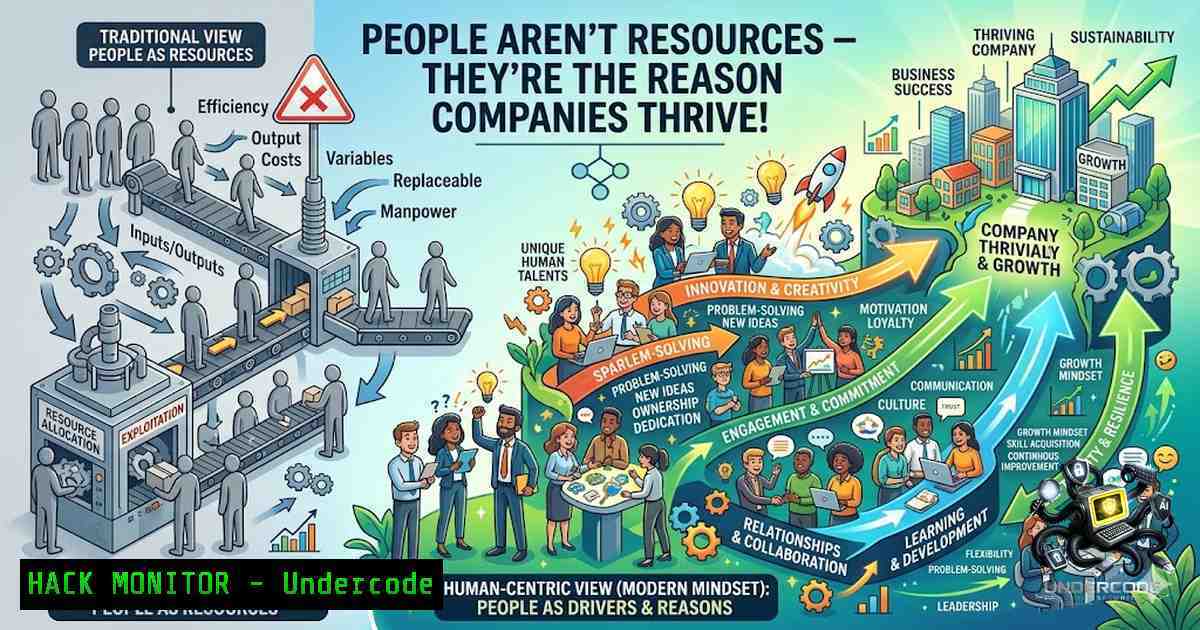
The modern workplace is witnessing a silent exodus of top talent, not because of compensation, but because of culture. When leaders treat employees as replaceable cogs in a machine, they systematically dismantle the very engine of innovation and growth. As Peter Drucker famously noted, people are not “resources” that can be machined down or recast for tasks; they are complex individuals who require time, thought, and judgment to lead effectively. This article explores the seven pillars of magnetic leadership—a framework designed to retain high-drive employees by fostering belief, purpose, and genuine partnership.
Learning Objectives
- Understand why treating employees as replaceable commodities is a strategic error that erodes trust and momentum.
- Learn how to shift from transactional oversight to genuine partnership through autonomy, accountability, and purpose.
- Master actionable strategies to protect builders from politics, eliminate pointless work, and measure engagement by energy, not surveys.
You Should Know
- The High Cost of Treating People as Replaceable
The belief that “everyone is replaceable” is not just toxic—it is financially and operationally unsound. Research shows that dignity violations—such as treating devoted employees as disposable—are a leading cause of the broken psychological contract between leaders and workers. When employees feel like commodities, they disengage, quiet quit, or leave entirely. The cost is not merely a vacant seat; it is the loss of momentum, institutional knowledge, and the intangible fire that high-drive employees bring. A CEO who mocks employees as replaceable often finds that the market replaces them swiftly—sometimes within 60 days. The narrative that “no one is irreplaceable” reduces morale, stifles innovation, and ultimately harms the bottom line.
2. Protect Builders from Organizational Politics
High-ownership people do not leave because of workload; they leave because of nonsense. Politics, bureaucracy, and internal power struggles are the primary killers of builder morale. To protect your top talent, you must actively shield them from administrative friction. This means streamlining decision-making processes, reducing unnecessary meetings, and ensuring that political maneuvering does not derail meaningful work. As noted by Goldman Sachs’ HR leader, reducing bureaucratic obstacles is critical to retaining ambitious employees. When builders are free to build, they thrive; when they are entangled in red tape, they disengage.
3. Eliminate Pointless Work to Preserve Pride
Nothing kills pride like work that does not matter. Employees derive meaning from contributions that align with a larger purpose. Leaders must ruthlessly audit workflows to identify and eliminate tasks that do not add value. This involves asking: “Does this work serve our mission? Does it leverage our unique strengths?” By cutting the clutter, you empower your team to focus on high-impact activities, reinforcing their sense of purpose and professional pride.
4. Give Autonomy with Accountability
Autonomy is not a perk; it is a prerequisite for high performance. However, autonomy without accountability leads to chaos. The key is to create room for employees to decide how they achieve outcomes while holding the line on what great looks like. This balance is achieved through clear expectations, transparent metrics, and a culture that trusts professionals to manage their own work. When employees feel watched instead of trusted, they lose autonomy and, with it, their motivation. Leaders must replace digital micromanagement—such as activity trackers and constant status checks—with outcome-based accountability.
5. Measure Engagement by Energy, Not Surveys
Traditional engagement surveys are lagging indicators that often fail to capture the true pulse of an organization. You can feel belief in a room; if the spark fades, a dashboard will not fix it. Leaders must develop the emotional intelligence to read the energy of their teams. This means paying attention to body language, tone, and the qualitative vibe of meetings. High emotional intelligence enables leaders to build cohesive teams and address disengagement before it appears in exit interviews. As one expert noted, employee engagement scores may not reveal the full picture of workforce health—trust is the new measure.
6. Talk About Purpose Weekly
Purpose is not a once-a-year town hall topic; it is a weekly conversation. Leaders must connect today’s effort to tomorrow’s impact in real, authentic dialogues. This involves storytelling—sharing narratives that illustrate how individual contributions advance the mission. When employees see themselves in the organization’s story, belief follows. Purpose-driven conversations build shared conviction, which is the fastest way forward. Strategy does not inspire people; belief does.
7. Promote Those Who Grow Others
Culture scales through multipliers—leaders who build other leaders. Promotions should not be reserved for individual contributors who hit their numbers; they should go to those who elevate their peers and develop future talent. This shifts the organizational focus from star performers to team builders. As Mike Leber emphasizes, empowering someone before they are “ready” shapes capability and long-term impact far more than titles ever could. By promoting those who grow others, you create a self-sustaining ecosystem of excellence.
8. Treat Loyalty as a Strategic Asset
Retention is not an HR metric; it is leadership behavior. Loyalty is earned through consistent actions that demonstrate care, trust, and respect. Leaders must view retention as a strategic imperative, not an administrative afterthought. This means having “stay conversations” that explore what employees enjoy and what they wish were different. These dialogues signal that people are not interchangeable resources but partners whose experience matters. A strong culture is not built by retaining headcount; it is built by retaining belief.
What Undercode Say
- Key Takeaway 1: Treating people as replaceable is a strategic error that erodes trust, morale, and long-term performance. Dignity violations are a primary driver of disengagement and turnover.
- Key Takeaway 2: Magnetic companies do not chase talent; they deserve it. By protecting builders, eliminating pointless work, and fostering purpose, leaders create an environment where top talent chooses to stay.
Analysis: The shift from viewing employees as resources to recognizing them as the heart of the organization is not just ethical—it is practical. The modern workforce has more tools and options than ever before. Leaders who cling to command-and-control models will find themselves outcompeted by those who embrace human-centric leadership. The seven pillars outlined above provide a roadmap for building a culture of belief, where people are proud to belong and motivated to contribute their best. Ultimately, retention is not about perks or salaries; it is about creating an environment where people feel valued, trusted, and connected to a meaningful purpose.
Prediction
- +1: Organizations that adopt human-centric leadership will see a 40% increase in employee engagement and significantly lower turnover rates.
- -1: Companies that continue to treat employees as replaceable will face a talent exodus, as high performers increasingly choose self-employment or join competitors with stronger cultures.
- +1: The rise of AI and automation will amplify the value of human skills—empathy, creativity, and leadership—making people-centric cultures the ultimate competitive advantage.
- -1: Leaders who ignore the importance of dignity and purpose will struggle to attract top talent, as job seekers prioritize culture over compensation.
- +1: The future of work belongs to organizations that measure success not by headcount, but by the energy, belief, and momentum of their people.
▶️ Related Video (90% Match):
🎯Let’s Practice For Free:
🎓 Live Courses & Certifications:
Join Undercode Academy for Verified Certifications
🚀 Request a Custom Project:
Secure, high-velocity infrastructure and disruptive technological engineering. Contact our engineering team for high-tier development and proprietary systems:
[email protected]
💎 Smart Architecture | 🛡️ Secure by Design | ⭐ Trusted by Thousands
IT/Security Reporter URL:
Reported By: People Arent – Hackers Feeds
Extra Hub: Undercode MoN
Basic Verification: Pass ✅


