Listen to this Post
Introduction:
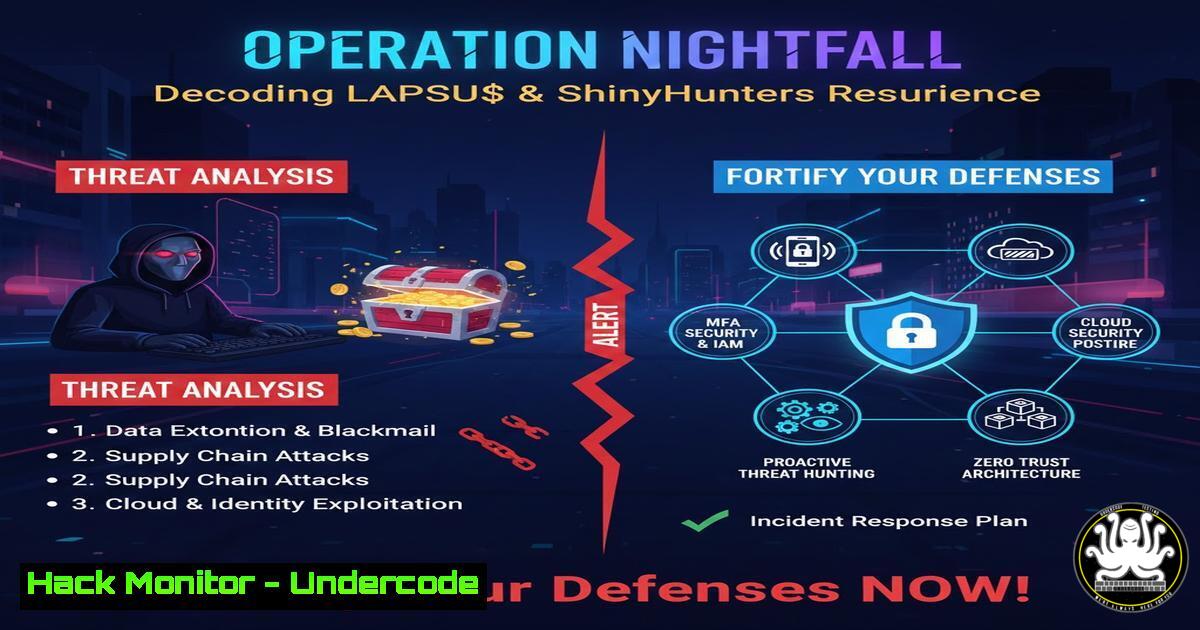
The cybercrime landscape is once again shaken by the re-emergence of affiliated threat actors from the LAPSUS$ and ShinyHunters collectives. These groups have escalated beyond data theft, now issuing credible physical threats against employees of major tech firms like Google, while simultaneously claiming high-profile breaches against cybersecurity titans including CrowdStrike, Palo Alto Networks, and the FBI’s Cellebrite unit. This multi-pronged assault represents a significant evolution in threat actor tactics, blending psychological warfare with sophisticated technical intrusions.
Learning Objectives:
- Understand the new Tactics, Techniques, and Procedures (TTPs) employed by resurgent threat groups.
- Implement immediate hardening measures for identity and access management, cloud environments, and Endpoint Detection and Response (EDR) systems.
- Develop a proactive threat intelligence and monitoring strategy to detect precursor activities associated with these actors.
You Should Know:
- The New Attack Surface: Identity and Psychological Warfare
The recent activity signals a strategic shift. Threat actors are no longer solely focused on digital assets; they are targeting the human element with physical threats to create chaos and divert security resources. Technically, their claims of breaching cybersecurity vendors suggest a focus on compromising the very tools and organizations trusted for defense.
Step-by-step guide:
- Enforce Phishing-Resistant MFA: Move beyond SMS-based codes. Mandate the use of FIDO2 security keys or certified authenticator apps for all privileged accounts, especially those with access to cloud infrastructure (Azure, AWS, Google Cloud).
- Conduct Threat Intelligence Integration: Subscribe to feeds that track IOCs (Indicators of Compromise) associated with these groups. Integrate these IOCs into your Security Information and Event Management (SIEM) system.
- Example SIEM Query (Splunk) for suspicious Azure AD activity:
`index=azure action=”UserLoggedIn” user=| table _time, user, result, ip_address, user_agent | search result=”failure” | stats count by ip_address`
2. Hardening Your EDR and Security Tooling
A breach of a security vendor like CrowdStrike is a worst-case scenario, as it can compromise the integrity of your primary defense system. Assume a determined adversary may have knowledge of or access to your security tools.
Step-by-step guide:
- Implement Strict Outbound Filtering: Ensure your EDR and other security tools can only communicate with their management consoles over specific, authenticated APIs. Block all unnecessary outbound traffic from these systems.
- Monitor for EDR Tampering: Create alerts for processes attempting to stop security services, delete logs, or modify EDR configurations.
- Windows Command to audit service status (run regularly via script):
`sc query | findstr “STATE”`
- Linux Command to check for unexpected process terminations (auditd rule):
`auditctl -w /usr/bin/systemctl -p x -k service_stop`
3. Securing Cloud Identity and Access Management (IAM)
The compromise of Salesforce and other SaaS platforms points to a continued focus on cloud identity. LAPSUS$ famously used stolen session tokens and “SIM-swapping” to bypass MFA.
Step-by-step guide:
- Review and Revoke Elevated Privileges: Adhere to the principle of least privilege. Regularly audit Azure AD or AWS IAM roles for unnecessary permissions.
- Azure AD PowerShell to list users with Global Admin role:
`Get-AzureADDirectoryRole | Where-Object {$_.DisplayName -eq “Global Administrator”} | Get-AzureADDirectoryRoleMember | Select-Object DisplayName, UserPrincipalName`
– Implement Conditional Access Policies: In Azure AD, create policies that block access from non-compliant devices, untrusted locations, or when a sign-in risk is detected.
4. Proactive Forensic Readiness and Logging
If a breach occurs, your ability to investigate and respond depends on the availability of detailed logs. These groups often cover their tracks.
Step-by-step guide:
- Enable Advanced Auditing: Ensure command-line process auditing is enabled on all critical Windows and Linux servers.
- Windows GPO: Computer Configuration -> Policies -> Administrative Templates -> System -> Audit Process Creation -> Include command line in process creation events
- Linux via auditd:
`auditctl -a always,exit -F arch=b64 -S execve`
- Centralize Logs Immutably: Send all security logs (EDR, Firewall, CloudTrail, Azure AD) to a secure, immutable SIEM or log storage solution that is isolated from your primary production domain.
5. Mitigating Software Supply Chain Compromise
A breach of a vendor like Palo Alto or Cellebrite represents a software supply chain attack. Threat actors could potentially distribute trojanized versions of security tools.
Step-by-step guide:
- Implement Application Whitelisting: Use tools like AppLocker (Windows) or a similar application control solution to only allow authorized, signed executables to run.
- Example AppLocker PowerShell rule to allow only programs from C:\Program Files:
`New-AppLockerPolicy -RuleType Publisher, Path -User Everyone -FilePath .\policy.xml`
- Verify Software Integrity: Always verify the cryptographic hash of security tool installers downloaded from vendor portals against the value provided by the vendor through a separate, trusted channel.
What Undercode Say:
- The line between cyber and physical security is dissolving. Threat actors are leveraging extreme psychological tactics to maximize pressure and disruption, a trend that will likely intensify.
- The targeting of core cybersecurity infrastructure and forensic tools (Cellebrite) is a force multiplier for adversaries, aiming to blind and disarm the entire defense ecosystem.
Analysis: The return of these groups is not a simple repeat of previous campaigns. Their actions indicate a more brazen, coordinated, and multi-faceted strategy designed to cause systemic damage and erode trust in the foundational tools of cybersecurity. The claims, if verified, suggest an unprecedented level of access. Defensive strategies must now account for the compromise of “trusted” security vendors and include plans for operating in a degraded security posture. This evolution demands a more paranoid security stance, where zero-trust is not just a model for user access but for every component in the IT stack, including the security tools themselves.
Prediction:
The success of these psychological and supply-chain attacks will catalyze a new wave of hybrid threats. We predict a rise in “false flag” operations where other threat groups will claim affiliation to sow further confusion. The targeting of individual employees will force corporations to invest heavily in executive and key personnel protection, blurring the budgets of physical and cybersecurity departments. Furthermore, the perceived invincibility of these groups will inspire a new generation of script kiddies to adopt more aggressive and personal tactics, leading to a more volatile and personally dangerous threat environment for security professionals worldwide.
🎯Let’s Practice For Free:
IT/Security Reporter URL:
Reported By: Subash J – Hackers Feeds
Extra Hub: Undercode MoN
Basic Verification: Pass ✅


