Listen to this Post
Introduction
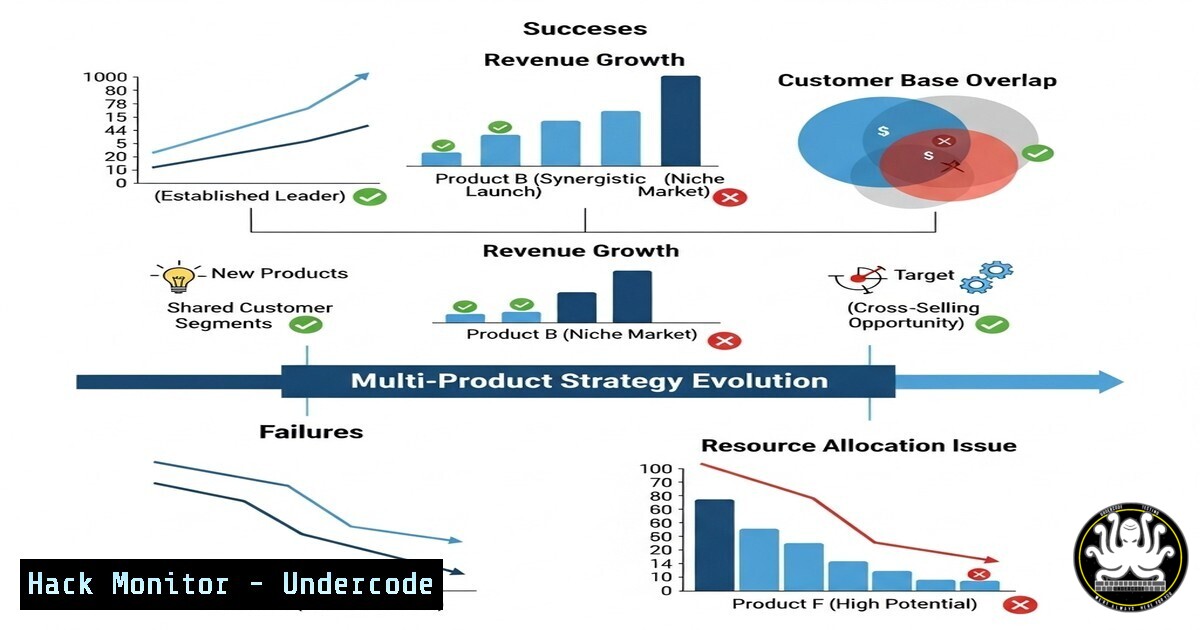
Expanding a SaaS product into a multi-product ecosystem is a high-stakes challenge that can drive growth—or lead to costly missteps. In a recent Geektime article and podcast, Ran Erez and Yaron Reichert of Cloudinary dissect their journey, revealing key technical and strategic insights for product teams.
Learning Objectives
- Understand when and how to split a monolithic product into multiple offerings.
- Learn from real-world technical and GTM (Go-To-Market) pitfalls.
- Implement actionable strategies for managing multi-product architectures.
You Should Know
1. Evaluating Product-Splitting Triggers
Command: `kubectl get pods –namespace=`
Purpose: Monitor microservices performance to identify scalability bottlenecks.
Steps:
1. Deploy Kubernetes monitoring for resource usage.
- Use `kubectl top pods` to track CPU/memory spikes.
- If a single service consumes >40% of resources, consider splitting it into a standalone product.
2. Securing Multi-Product APIs
Code Snippet:
 Flask API rate-limiting
from flask_limiter import Limiter
limiter = Limiter(app, key_func=get_remote_address)
@app.route("/api/v1/productB")
@limiter.limit("100/day")
def product_b_api():
return jsonify({"data": "OK"})
Why It Matters: Prevents abuse when exposing APIs across products.
3. Data Isolation in Multi-Tenant Systems
PostgreSQL Command:
CREATE ROLE product_b_user WITH LOGIN PASSWORD 'secure123';
GRANT SELECT ON product_b_schema TO product_b_user;
Implementation:
- Use schema-based isolation to prevent cross-product data leaks.
4. CI/CD Pipeline for Independent Deployments
GitLab Snippet:
 .gitlab-ci.yml
stages:
- deploy_product_a
- deploy_product_b

deploy_product_b:
only:
- /product-b/.
script:
- kubectl apply -f product-b/deployment.yaml
Benefit: Ensures zero downtime when updating one product without affecting others.
5. Monitoring Cross-Product Dependencies
Prometheus Query:
sum(rate(http_requests_total{product="A", dependency="B"}[bash])) by (status_code)
Action: Alert if Product B’s downtime impacts Product A’s uptime.
What Undercode Say
- Key Takeaway 1: Splitting a product requires balancing technical debt and market needs—Cloudinary’s “pause and reassess” moment saved them from a flawed rollout.
- Key Takeaway 2: API security and data isolation are non-negotiable in multi-product architectures; a breach in one product can cascade.
Analysis: The shift toward modular SaaS products demands robust DevOps and security practices. Teams must automate dependency checks (e.g., with istioctl analyze) and adopt zero-trust networking between services.
Prediction
By 2026, 70% of SaaS companies will adopt multi-product strategies, but those neglecting cross-product security (e.g., OAuth2 scoping, egress filtering) will face 3x more breaches.
References:
- Geektime: Multi-Product Strategy
- Kubernetes Docs, Prometheus, Flask-Limiter
🎯Let’s Practice For Free:
IT/Security Reporter URL:
Reported By: Ran Erez – Hackers Feeds
Extra Hub: Undercode MoN
Basic Verification: Pass ✅


