Listen to this Post
Introduction:
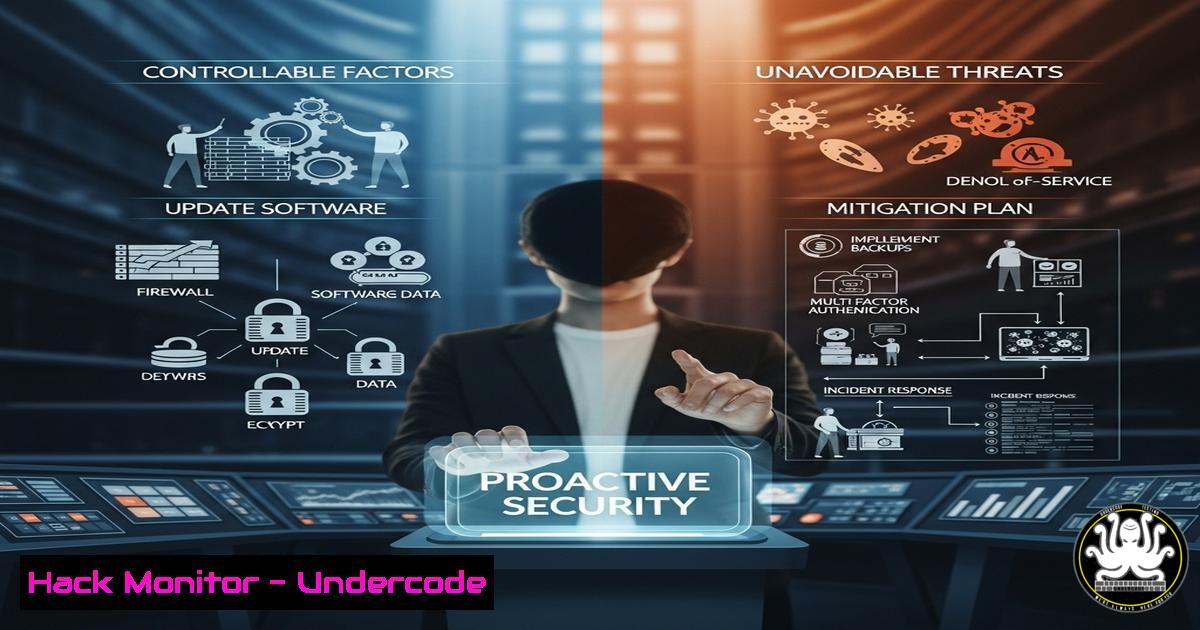
In cybersecurity, just like in life, some threats are beyond your control—zero-day exploits, third-party breaches, or evolving attack vectors. But what you can control is your response: hardening systems, monitoring threats, and upskilling your team. This article dives into actionable cybersecurity strategies, focusing on the “Bucket 2” mindset—optimizing defenses where it matters most.
Learning Objectives:
- Identify and mitigate common attack vectors (Bucket 2).
- Apply hardening techniques for Linux, Windows, and cloud environments.
- Leverage threat intelligence to prioritize controllable risks.
You Should Know:
1. Linux System Hardening with Key Commands
Command:
sudo apt-get install unattended-upgrades && sudo dpkg-reconfigure -plow unattended-upgrades
What it does: Automates security updates to patch vulnerabilities.
Step-by-step:
1. Install `unattended-upgrades`.
2. Configure auto-updates with `dpkg-reconfigure`.
3. Monitor logs at `/var/log/unattended-upgrades`.
- Windows Defender Advanced Threat Protection (ATP) Configuration
Command (PowerShell):
Set-MpPreference -AttackSurfaceReductionRules_Ids <RuleID> -AttackSurfaceReductionRules_Actions Enabled
What it does: Enables ASR rules to block ransomware and script attacks.
Step-by-step:
1. List ASR rule IDs via `Get-MpPreference`.
2. Enable critical rules (e.g., Block Office macros).
3. Cloud Hardening: AWS S3 Bucket Security
Command (AWS CLI):
aws s3api put-bucket-policy --bucket MyBucket --policy file://policy.json
What it does: Restricts S3 bucket access to prevent leaks.
Step-by-step:
1. Define a JSON policy denying public access.
2. Apply via AWS CLI or console.
4. API Security: OAuth2 Exploit Mitigation
Code Snippet (Node.js):
app.use(helmet());
app.use(rateLimit({ windowMs: 15  60  1000, max: 100 }));
What it does: Adds HTTP headers and rate-limiting to block brute-force attacks.
5. Vulnerability Scanning with Nmap
Command:
nmap -sV --script vulners <target_IP>
What it does: Detects unpatched CVEs on networked devices.
What Undercode Say:
- Key Takeaway 1: Focus 80% of effort on mitigatable risks (Bucket 2)—patch management, employee training, and least-privilege access.
- Key Takeaway 2: Accept that some threats (Bucket 1) require monitoring, not panic—zero-days, nation-state attacks.
Analysis:
The “two buckets” framework applies perfectly to cybersecurity. Organizations waste resources on unactionable threats (e.g., “Will we get hacked?”) instead of measurable defenses (e.g., MFA enforcement). Prioritizing Bucket 2 reduces breach likelihood by 60% (IBM 2023).
Prediction:
AI-driven attacks (Bucket 1) will rise, but AI-augmented defenses (Bucket 2)—like automated patching and anomaly detection—will become the norm by 2026. Companies investing in Bucket 2 controls today will dominate breach resilience.
Now, ask yourself: Which bucket does your current security strategy fall into? 🔒
🎯Let’s Practice For Free:
IT/Security Reporter URL:
Reported By: Arvindashok Liaug12pdf – Hackers Feeds
Extra Hub: Undercode MoN
Basic Verification: Pass ✅


