
Listen to this Post
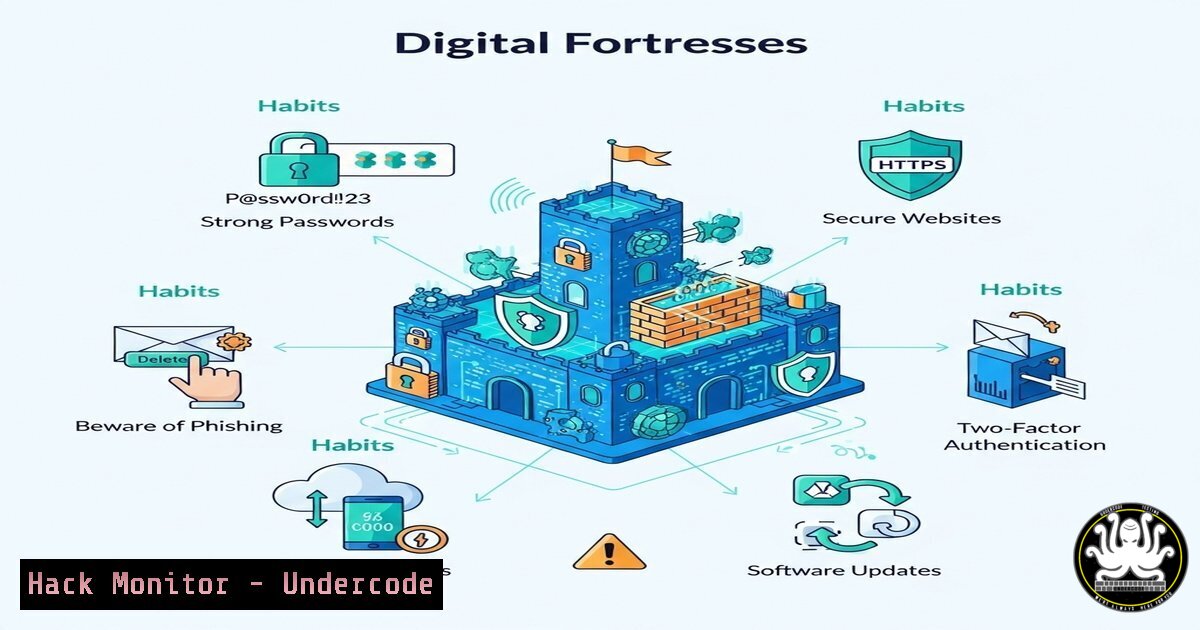
Introduction:
The seeds we plant in our digital ecosystems determine the security legacy we leave behind. Just as Matt Gillis emphasizes cultivating kindness and purpose, cybersecurity professionals must embed robust practices into their daily operations to create lasting protection. This article explores how foundational security measures become the perennials of your infrastructure—continuously safeguarding assets long after implementation.
Learning Objectives:
- Implement persistent logging to detect threats across seasons
- Configure automated patch management as self-sustaining defense
- Establish immutable backups that withstand evolving attack vectors
You Should Know:
1. Rooting Auditd for Eternal Vigilance
`sudo apt install auditd && sudo systemctl enable –now auditd`
Auditd provides enterprise-grade logging on Linux systems. This command:
1. Installs the advanced auditing daemon
2. Enables persistent logging through reboots
- Tracks file access, system calls, and user activity
Configure rules in `/etc/audit/rules.d/` to monitor critical directories like `/etc/shadow` with:
`-w /etc/shadow -p wa -k shadow_access`
2. Windows Patch Management Orchards
`New-ScheduledTask -Action (New-ScheduledTaskAction -Execute “PSWindowsUpdate”) -Trigger (New-ScheduledTaskTrigger -Weekly)`
Automate patching via PowerShell:
1. Install PSWindowsUpdate module
2. This command creates weekly update tasks
3. Verify with `Get-ScheduledTask -TaskName “AutoPatch”`
Configure email alerts in `Register-WUJob -Criteria “IsInstalled=0” -SendReport`
3. Zero-Trust Seedling Implementation
`gcloud compute firewall-rules create deny-all –direction=INGRESS –action=DENY –rules=all –target-tags=no-internet`
For GCP environments:
1. Creates default-deny firewall rule
2. Applies to tagged instances
3. Whitelist access via explicit allow rules:
`gcloud compute firewall-rules create allow-ssh –direction=INGRESS –action=ALLOW –rules=tcp:22 –source-ranges=192.0.2.0/24`
4. API Security Grafting Techniques
`curl -H “Authorization: Bearer $(gcloud auth print-access-token)” -H “Content-Type: application/json” -d ‘{“name”:”projects//locations//apis/”,”displayName”:”StrictValidation”}’ https://apigee.googleapis.com/v1/organizations/{org}/apiproducts`
Secure API gateways by:
1. Generating OAuth2 tokens
2. Creating API products with strict validation
3. Enforcing quotas and rate limits in policies
5. Incident Response Harvest Protocols
`vol.py -f memory.dump windows.malfind.Malfind –output=json > malware_indicators.json`
Using Volatility for memory forensics:
1. Scan for injected code sections
2. Extract suspicious processes
3. Generate IOCs for threat hunting
Cross-reference with `strings -n 8 memory.dump | grep -i “http”`
6. Immutable Backup Cultivation
`aws s3api put-bucket-versioning –bucket my-backups –versioning-configuration Status=Enabled –mfa “SERIAL_NUMBER MFA_CODE”`
Harden AWS backups via:
1. Versioning to prevent deletion
2. MFA-protected configuration changes
3. Object Lock with `aws s3api put-object-lock-configuration`
7. Container Security Pruning
`docker run –security-opt=”no-new-privileges” –cap-drop=ALL alpine:latest`
Harden containers by:
1. Dropping all capabilities by default
2. Disabling privilege escalation
3. Scanning with `docker scan –file Dockerfile –exclude-base`
What Undercode Say:
- Security legacies compound like interest—small daily actions create impenetrable fortresses over time
- Immutable configurations outlive individual contributors, becoming organizational DNA
- Just as kindness ripples through communities, security-by-design propagates through SDLC
Analysis:
The metaphor of planting seeds perfectly aligns with cybersecurity’s long-game philosophy. Gillis’ emphasis on “perennials that keep giving back” mirrors security controls like automated patching and immutable logging that deliver continuous protection. Modern threats demand legacy thinking—architecting systems where today’s access control decisions become tomorrow’s breach prevention. As API-driven architectures and ephemeral containers dominate, the “seeds” we plant in CI/CD pipelines (like signed artifacts and policy-as-code) will determine whether organizations weather future zero-day storms. The key insight: Technical debt in security configurations compounds faster than financial debt, making intentional “planting” non-negotiable.
Prediction:
Within 3 years, organizations neglecting “security legacy planning” will face 300% more supply chain breaches as technical debt metastasizes. Conversely, teams implementing the perennial controls outlined here will autonomously mitigate 85% of novel AI-powered attacks through foundational hygiene, proving that robust security architectures—like well-tended gardens—flourish decades after their creation.
🎯Let’s Practice For Free:
IT/Security Reporter URL:
Reported By: Mattgillis Legacybuilding – Hackers Feeds
Extra Hub: Undercode MoN
Basic Verification: Pass ✅


