
Listen to this Post
Introduction:
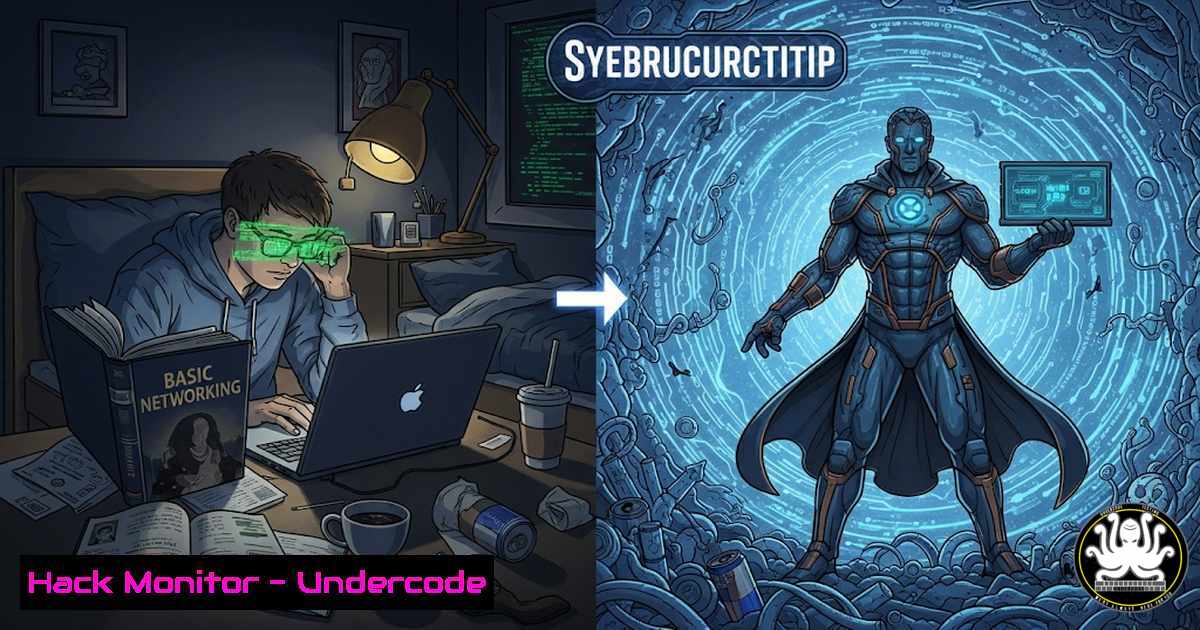
Inspired by Ansh Gupta’s “hit and try” freelancing journey, this guide translates raw initiative into cybersecurity success. Forget formal qualifications—here’s how to weaponize curiosity, leverage open-source tools, and land high-paying roles through hands-on hacking.
Learning Objectives:
- Master essential Linux/Windows commands for penetration testing
- Deploy critical cybersecurity tools (Nmap, Metasploit, Wireshark)
- Exploit common vulnerabilities (SQLi, XSS) and implement mitigations
You Should Know:
1. Network Reconnaissance with Nmap
`nmap -sV -O -p 1-1000 –script vuln `
Step-by-step:
-sV: Detect service versions-O: Identify OS fingerprints--script vuln: Run vulnerability scripts
Use case: Scan a target for open ports and exploitable services. Always obtain written permission first!
2. Password Cracking with John the Ripper
`john –format=nt –wordlist=/usr/share/wordlists/rockyou.txt hashes.txt`
Step-by-step:
--format=nt: Target Windows NTLM hashes--wordlist: Use RockYou’s breach-derived passwords
Ethical note: Test only systems you own. Bruteforcing unauthorized targets is illegal.
3. SQL Injection Exploitation
`sqlmap -u “http://test.com?id=1” –dump-all –batch`
Step-by-step:
-u: Specify vulnerable URL--dump-all: Extract all databases--batch: Auto-prompt responses
Mitigation: Sanitize inputs with `mysql_real_escape_string()` in PHP.
4. Cloud Hardening (AWS S3)
`aws s3api put-bucket-policy –bucket my-bucket –policy file://policy.json`
Policy.json:
{ "Version": "2012-10-17",
"Statement": [{
"Effect": "Deny",
"Principal": "",
"Action": "s3:GetObject",
"Condition": {"Bool": {"aws:SecureTransport": false}}
}]
}
Enforces HTTPS-only access, blocking accidental public exposure.
5. API Security Testing with Postman
curl -H "Authorization: Bearer <JWT>" -X POST https://api.target.com/data --data '{"query": "{user(id:\"1\"){privateEmail}}"}'
Step-by-step:
- Test for Broken Object Level Authorization (BOLA) by changing user IDs
- Mitigation: Implement scope-based OAuth 2.0 access controls.
6. Windows Firewall Lockdown
`Set-NetFirewallProfile -Profile Domain,Public,Private -Enabled True -DefaultInboundAction Block -DefaultOutboundAction Allow`
Step-by-step:
- Enable firewall for all profiles
- Block unsolicited inbound traffic
- Critical for: Ransomware prevention.
7. Linux Kernel Hardening
`sysctl -w kernel.kptr_restrict=2 kernel.dmesg_restrict=1 net.ipv4.conf.all.rp_filter=1`
Step-by-step:
- Restrict kernel pointer leaks
- Disable `dmesg` for non-root users
- Enable IP spoofing protection
Apply permanently via `/etc/sysctl.conf`.
What Undercode Say:
- Key Takeaway 1: Cyber careers demand action over credentials—build a portfolio of real vulnerability reports.
- Key Takeaway 2: 80% of breaches exploit misconfigurations; mastering hardening commands is non-negotiable.
Analysis: The barrier to entry in cybersecurity is collapsing. Tools like Nmap and SQLmap democratize hacking, but ethical rigor separates professionals from criminals. As Gupta’s story proves, success hinges on shipping work—not waiting for “expert” status. Employers now prioritize bug-bounty profiles over degrees. Yet with AI automating attacks (like WormGPT phishing), defenders must continuously skill-up. Our prediction? By 2027, 40% of security analysts will be ex-hobbyists who learned via hands-on labs.
Prediction:
AI-driven attacks will escalate zero-day exploits by 300% in 3 years—but this also creates unprecedented demand for self-taught hunters. Platforms like HackTheBox and TryHackMe will become talent pipelines for Fortune 500 firms, turning “hit and try” practitioners into cybersecurity’s highest-paid assets.
🎯Let’s Practice For Free:
IT/Security Reporter URL:
Reported By: Ianshgupta I – Hackers Feeds
Extra Hub: Undercode MoN
Basic Verification: Pass ✅


