Listen to this Post
Introduction:
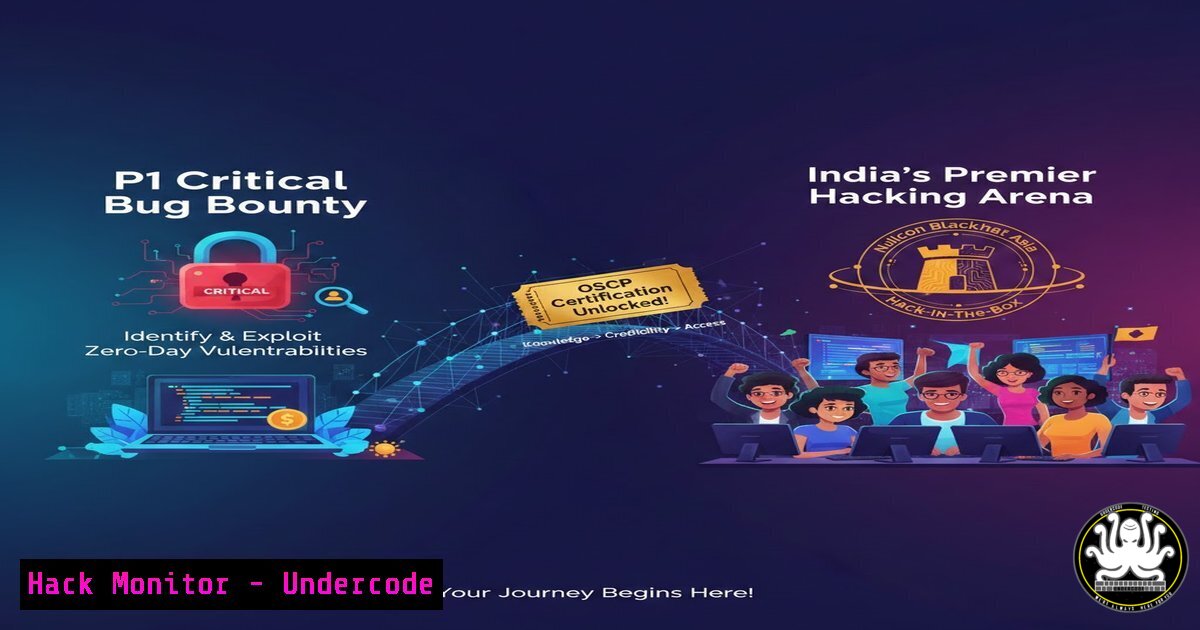
A single, responsibly reported P1 Critical vulnerability that leads to full database compromise is more than a career highlight; it’s a concrete demonstration of the high-caliber skills sought after in the competitive cybersecurity arena. This practical expertise is precisely what events like HackwithIndia 2026 aim to test and celebrate, offering a legal platform to hone these abilities against live targets. For aspiring researchers, mastering the methodologies behind such critical findings is the direct path to not only winning bug bounties but also securing coveted industry certifications like the Offensive Security Certified Professional (OSCP) and Certified Ethical Hacker (CEH) offered as prizes.
Learning Objectives:
- Understand the end-to-end process of discovering, exploiting, and responsibly disclosing a critical web application vulnerability.
- Learn practical command-line and tool-driven techniques for modern web application penetration testing.
- Discover how live hacking competitions serve as a critical training ground for validating skills and accelerating a professional cybersecurity career.
You Should Know:
1. The Attacker’s Mindset: Reconnaissance and Enumeration
Before a single exploit is launched, successful hackers spend up to 80% of their time in reconnaissance. This phase involves mapping the target application’s structure, technologies, and potential entry points without triggering alarms.
Step‑by‑step guide:
- Subdomain Enumeration: Use tools like `amass` or `subfinder` to discover hidden subdomains, which often host less-secure development or administrative panels.
amass enum -d targetcompany.com -o subdomains.txt
subfinder -d targetcompany.com -o subdomains.txt
- Technology Fingerprinting: Identify the tech stack (e.g., WordPress, React, Nginx, Apache) using `whatweb` or browser developer tools. This tells you which vulnerability databases and exploit techniques to research.
whatweb https://targetcompany.com -v
- Endpoint Discovery: Use a tool like `gobuster` or `ffuf` to brute-force directories and files that aren’t linked publicly, such as
/admin,/backup,/api/v1/config.gobuster dir -u https://targetcompany.com -w /usr/share/wordlists/dirb/common.txt -t 50 ffuf -u https://targetcompany.com/FUZZ -w /usr/share/wordlists/seclists/Discovery/Web-Content/common.txt
2. Exploitation in Action: Testing for Critical Flaws
The post highlights a “complete user database access” flaw. This typically points to a severe injection vulnerability (SQL, NoSQL) or a broken authentication/authorization scheme allowing unauthorized data retrieval.
Step‑by‑step guide (SQL Injection Example):
- Identify Injection Point: Find a user-input parameter (like `?id=1` in a URL or a login form field) that interacts with a database.
- Probe for Vulnerability: Test the parameter with a single quote (
') to see if it causes a database error, indicating poor input sanitization. - Automated Discovery: Use `sqlmap` to automatically test and confirm the SQLi vulnerability. Only use on systems you own or have explicit permission to test.
sqlmap -u "https://vuln-site.com/page?id=1" --batch --risk=3 --level=5
- Extract Data: If vulnerable, command `sqlmap` to enumerate database names, tables, and finally, dump the user table contents.
sqlmap -u "https://vuln-site.com/page?id=1" --batch --dump -D app_database -T users
-
Securing the Win: Responsible Disclosure and Proof of Concept
Finding a flaw is only half the battle. Ethical practice requires a clear, professional disclosure that helps the vendor fix the issue.
Step‑by‑step guide:
- Document Everything: Take clear screenshots and videos. Log all your steps and commands used.
- Write a Detailed Report: Structure your report with: Executive Summary, Technical Details (Steps to Reproduce, URL, Parameters), Impact Assessment (e.g., “Full compromise of 2 million user records”), and Suggested Remediation (e.g., “Use parameterized queries”).
-
Submit via Proper Channel: Find the company’s security policy or use their bug bounty platform (like HackerOne, Bugcrowd) to submit the report. Never disclose publicly before a fix is deployed.
-
From Solo Hunter to Arena Champion: The Value of Live Competitions
Platforms like HackwithIndia 2026 bridge the gap between solo bug bounty hunting and structured career advancement. They provide a controlled, legal environment with “Real Vulnerabilities” in “Live Web Targets,” simulating real-world scenarios.Step‑by‑step guide to Preparing for a Live Hack:
- Skill Alignment: Competitions test skills directly related to critical bugs (web app hacking, API security). Practice on platforms like Hack The Box, TryHackMe, or PentesterLab.
- Tool Mastery: Set up your Kali Linux or Parrot OS environment. Practice with the core toolkit: Burp Suite for proxying traffic, `nmap` for scanning, and the reconnaissance tools mentioned earlier.
-
Register and Engage: For an event like HackwithIndia, register early (it’s 100% Free Entry), review any rules or scope, and plan to network. The “Certificate for All” is a valuable resume addition.
-
Turning Victory into Credibility: Certifications and Career Growth
Winning or performing well in a major competition provides tangible proof of skill. The “Legendary Prizes” from HackwithIndia, including OSCP and CEH certifications, are industry-recognized credentials that bypass traditional hiring filters.
Step‑by‑step guide to Leveraging the Win:
- Showcase Your Achievement: Add the competition result (e.g., “Top 100 Finisher, HackwithIndia 2026”) and any won certifications to your LinkedIn (like SAINUL ABID NV’s post) and resume.
- Detail the Methodology: In job interviews, describe the specific vulnerabilities you found and the process you followed, framing it within a responsible security testing lifecycle.
- Continue the Cycle: Use the experience and credentials to qualify for private, more lucrative bug bounty programs or to secure a role as an Application Security Engineer or Penetration Tester.
What Undercode Say:
- The Replicable Blueprint: A critical bug bounty find isn’t luck; it’s the systematic application of foundational offensive security techniques. This process—recon, exploitation, disclosure—is the exact skill set validated and rewarded in premier hacking competitions.
- The Career Catalyst: Events like HackwithIndia democratize access to career-defining credentials (OSCP/CEH). They transform proven, self-taught or enthusiast skills into formal, industry-accepted qualifications, effectively bridging the gap between the underground lab and the corporate security team.
The trajectory is clear: the individual researcher proving their mettle through responsible disclosure is the prime candidate for success in structured live competitions. These events, in turn, function as a powerful talent pipeline for the industry, filtering for and certifying the practitioners with hands-on, relevant skills. The future of security hiring will increasingly favor these “proof-over-degree” validations.
Prediction:
In the next 2-3 years, live, legal hacking competitions will evolve from niche events to a mainstream component of the cybersecurity recruitment and training ecosystem. Companies will increasingly sponsor and use these arenas to directly source talent, viewing high performers as “pre-vetted” analysts. The curriculum of traditional certifications will bend to incorporate the gamified, real-time exploit/defend format of these contests, making practical, adrenaline-fueled testing the new standard for skill validation.
▶️ Related Video (72% Match):
🎯Let’s Practice For Free:
IT/Security Reporter URL:
Reported By: Skideveloper Bugbounty – Hackers Feeds
Extra Hub: Undercode MoN
Basic Verification: Pass ✅


