Listen to this Post
Introduction
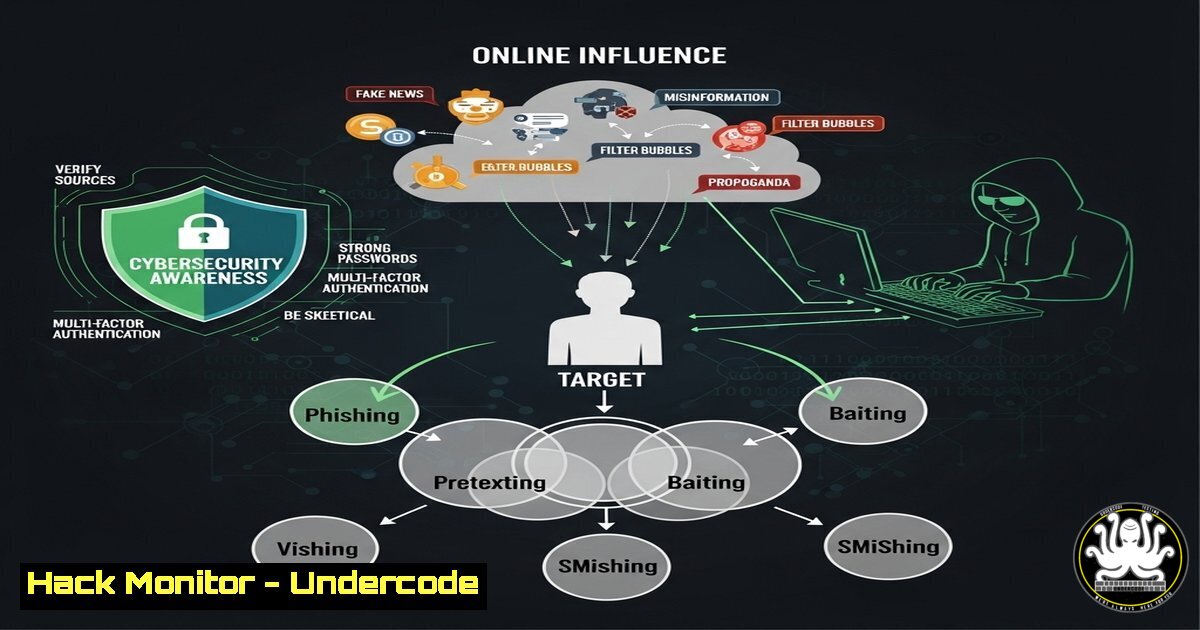
Jonny Staker’s viral LinkedIn post about earning $962,000 in a single day at age 19 has sparked curiosity and skepticism. While the post lacks concrete details, it serves as a fascinating case study in digital influence, social engineering, and online credibility—key topics in cybersecurity. This article dissects the tactics used in such posts and provides actionable cybersecurity insights to help professionals discern truth from manipulation.
Learning Objectives
- Understand how social engineering exploits trust in professional networks.
- Learn techniques to verify online claims and protect against misinformation.
- Explore cybersecurity tools to analyze suspicious profiles and posts.
You Should Know
1. Detecting Fake Profiles Using OSINT Tools
Command:
theHarvester -d linkedin.com -l 500 -b google
What It Does:
This OSINT (Open-Source Intelligence) command scrapes public data from LinkedIn profiles to identify inconsistencies or fake accounts.
Step-by-Step Guide:
1. Install `theHarvester`:
sudo apt install theharvester
2. Run the command to gather LinkedIn profile data.
3. Cross-reference findings with LinkedIn activity (e.g., post history, endorsements).
2. Analyzing Suspicious Links with URLScan
Command:
curl -X POST "https://urlscan.io/api/v1/scan/" -H "Content-Type: application/json" -d '{"url":"https://example.com", "public":true}'
What It Does:
Scans URLs for phishing attempts or malware.
Step-by-Step Guide:
- Use `curl` to submit a suspicious link to URLScan.
- Review the report for malicious scripts or redirects.
3. Verifying Financial Claims with Blockchain Analysis
Command:
chainalysis-react --address 1AbCdE... --api-key YOUR_API_KEY
What It Does:
Checks cryptocurrency transactions tied to public wallets (if claimed earnings involve crypto).
Step-by-Step Guide:
1. Use Chainalysis or Etherscan to trace transactions.
- Look for anomalies in transaction volume or timing.
4. Securing LinkedIn Accounts with 2FA
Command (Windows):
Set-MsolUser -UserPrincipalName [email protected] -StrongAuthenticationRequirements @{State="Enabled"}
What It Does:
Enforces multi-factor authentication (MFA) for LinkedIn-associated Microsoft accounts.
Step-by-Step Guide:
1. Enable MFA in LinkedIn’s security settings.
2. Use PowerShell for enterprise-level enforcement.
5. Detecting AI-Generated Text with GPTZero
Command:
gptzero --text "How I made $962K in a day..."
What It Does:
Analyzes text for AI-generated patterns.
Step-by-Step Guide:
1. Install GPTZero CLI.
- Run suspicious posts through the tool to check for automation.
What Undercode Say
- Key Takeaway 1: Viral posts often exploit psychological triggers (FOMO, authority bias) to manipulate engagement.
- Key Takeaway 2: Cybersecurity tools like OSINT and URL analysis can debunk fraudulent claims.
Analysis:
Posts like Staker’s thrive on ambiguity and emotional appeal. Cybersecurity professionals must educate networks on verifying claims through technical means. The rise of AI-generated content further complicates trust in digital platforms, necessitating advanced detection tools.
Prediction
As AI-generated content improves, LinkedIn and other platforms will face increased scrutiny over authenticity. Expect tighter verification protocols, blockchain-based credentialing, and AI-detection integrations to combat misinformation.
Final Thought:
While $962K days may be rare, the ability to critically assess online claims is a must-have skill in the cybersecurity age.
🎯Let’s Practice For Free:
IT/Security Reporter URL:
Reported By: Jonnystaker 1x – Hackers Feeds
Extra Hub: Undercode MoN
Basic Verification: Pass ✅


