Listen to this Post
Introduction:
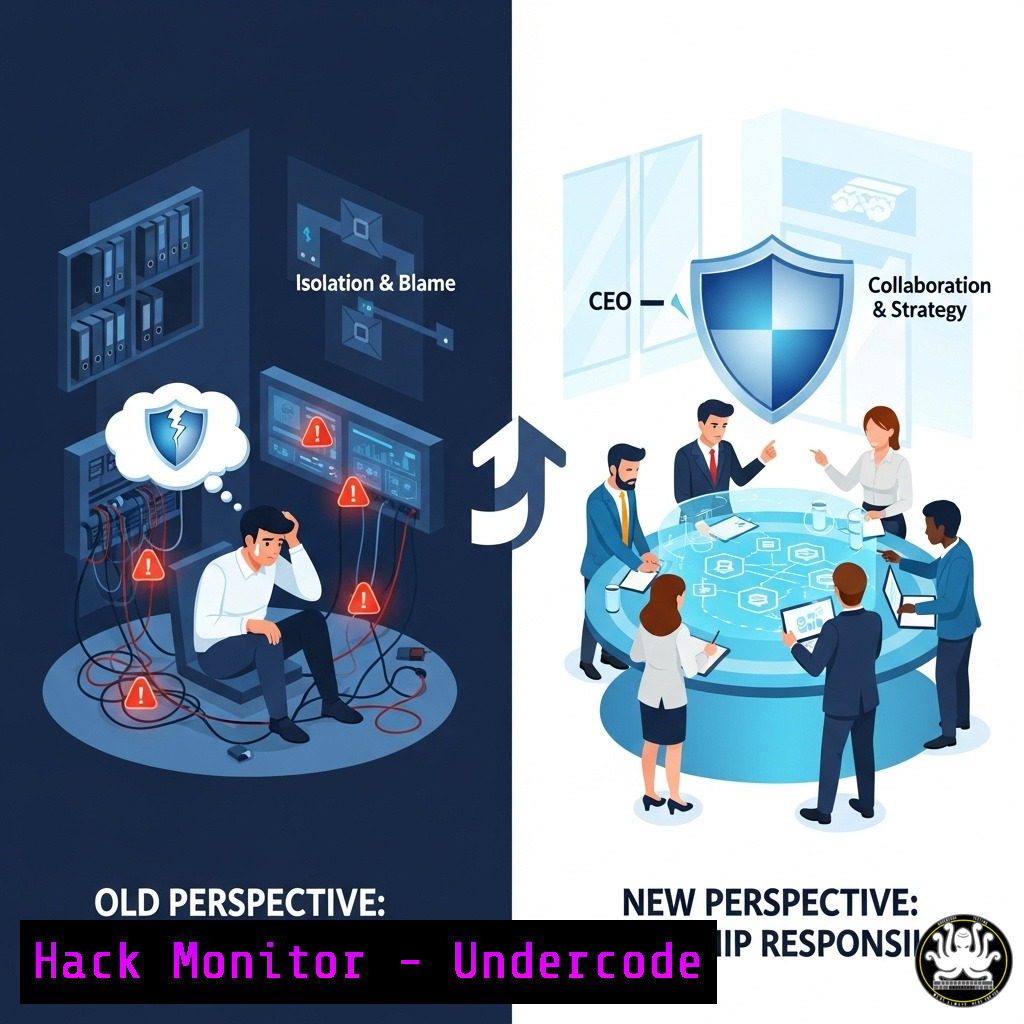
The misconception that cybersecurity is solely an IT department’s responsibility is a dangerous oversight in modern business. As ransomware attacks cripple operations and data breaches erode trust, executives must recognize cybersecurity as a strategic priority. This article explores why leadership must take ownership of cyber risks and provides actionable technical insights to strengthen defenses.
Learning Objectives:
- Understand why cybersecurity is a C-suite responsibility, not just an IT issue.
- Learn critical security commands and configurations for Linux, Windows, and cloud environments.
- Discover best practices for mitigating ransomware, data leaks, and governance gaps.
You Should Know:
1. Ransomware Prevention: Isolating Critical Systems
Command (Windows):
Enable-NetFirewallRule -DisplayGroup "Remote Desktop" -Direction Inbound -Action Block
What It Does:
This PowerShell command blocks inbound Remote Desktop Protocol (RDP) traffic, a common ransomware attack vector.
Steps:
1. Open PowerShell as Administrator.
2. Run the command to disable inbound RDP.
3. Verify with:
Get-NetFirewallRule -DisplayGroup "Remote Desktop" | Select-Object Name, Enabled
2. Detecting Data Exfiltration Attempts
Command (Linux):
sudo tcpdump -i eth0 -n "port 80 or port 443" -w /var/log/exfiltration.pcap
What It Does:
Captures HTTP/HTTPS traffic to detect unauthorized data transfers.
Steps:
- Install `tcpdump` if missing (
sudo apt install tcpdump).
2. Run the command to log traffic.
3. Analyze logs with Wireshark or `tshark`.
3. Hardening Cloud Storage (AWS S3 Example)
Command (AWS CLI):
aws s3api put-bucket-policy --bucket YourBucketName --policy file://block-public-access.json
Policy Template (`block-public-access.json`):
{
"Version": "2012-10-17",
"Statement": [{
"Effect": "Deny",
"Principal": "",
"Action": "s3:",
"Resource": "arn:aws:s3:::YourBucketName/",
"Condition": {"Bool": {"aws:SecureTransport": false}}
}]
}
What It Does:
Blocks unencrypted (HTTP) access to an S3 bucket, reducing exposure to leaks.
4. Patching Zero-Day Vulnerabilities
Command (Linux – Ubuntu):
sudo unattended-upgrade --dry-run -d
What It Does:
Simulates automatic security updates to audit pending patches.
Steps:
1. Ensure `unattended-upgrades` is installed.
2. Run the command to review updates.
3. Apply with:
sudo unattended-upgrade
5. API Security: Rate Limiting with NGINX
Configuration Snippet (`nginx.conf`):
limit_req_zone $binary_remote_addr zone=api_limit:10m rate=100r/m;

server {
location /api/ {
limit_req zone=api_limit burst=200 nodelay;
proxy_pass http://backend;
}
}
What It Does:
Prevents API abuse by limiting requests to 100/minute per IP.
6. Windows Credential Guard Activation
Command (PowerShell):
Enable-WindowsOptionalFeature -Online -FeatureName "VirtualizationBasedSecurity" -NoRestart
What It Does:
Enables hardware-based isolation for credentials, blocking Mimikatz-style attacks.
7. Linux Kernel Hardening (sysctl)
Command:
sudo sysctl -w kernel.kptr_restrict=2
What It Does:
Restricts kernel pointer leaks, complicating exploit development.
What Undercode Say:
- Key Takeaway 1: Cybersecurity failures impact revenue and reputation—CEOs must treat them as existential risks.
- Key Takeaway 2: Technical controls alone aren’t enough; governance and cross-departmental training are critical.
Analysis:
The shift from IT-centric to leadership-driven cybersecurity is inevitable. Boards that ignore this will face regulatory penalties (e.g., GDPR, SEC rules) and investor backlash. Proactive measures like tabletop exercises and mandatory cyber-risk disclosures will separate resilient companies from targets.
Prediction:
By 2026, over 60% of Fortune 500 firms will tie executive bonuses to cybersecurity KPIs, mirroring financial performance metrics. Companies lagging in this integration will suffer 3× more breaches due to cultural apathy.
Final Note:
For executives, the question isn’t if they’ll face a cyber incident—it’s when. Leadership must equip teams with both technical tools and strategic oversight to survive the next wave of attacks.
🎯Let’s Practice For Free:
IT/Security Reporter URL:
Reported By: Romainfessard Cyberrisk – Hackers Feeds
Extra Hub: Undercode MoN
Basic Verification: Pass ✅


