Listen to this Post
Introduction:
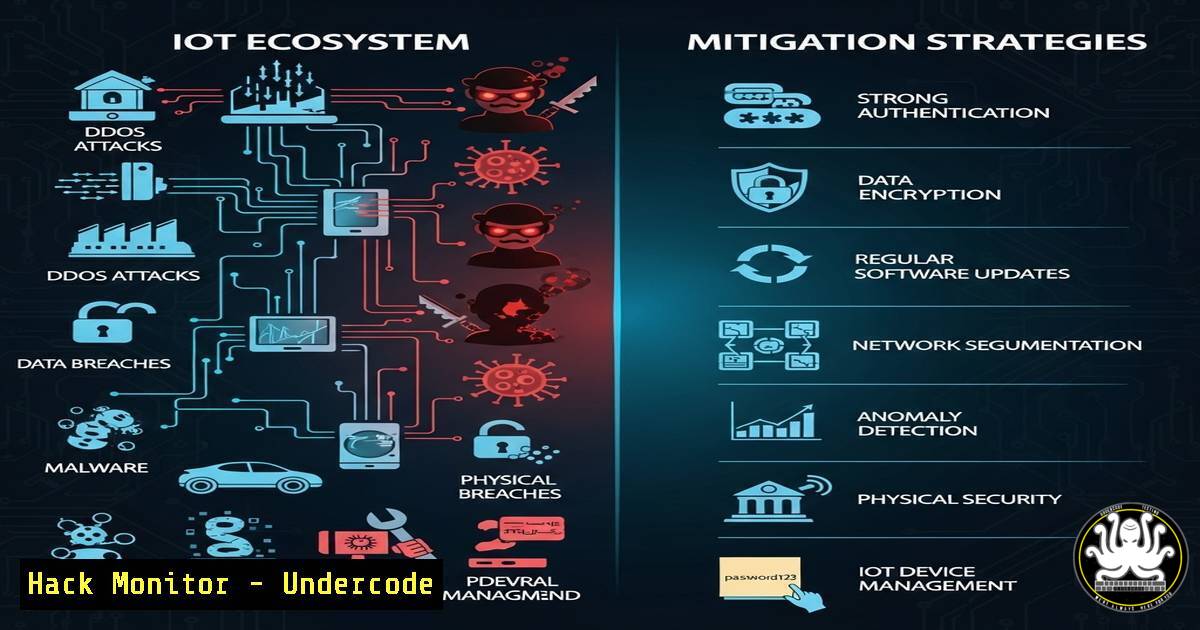
The Internet of Things (IoT) has revolutionized industries, but its rapid expansion brings significant cybersecurity risks. From insecure device configurations to large-scale botnet attacks, IoT vulnerabilities threaten critical infrastructure. In this guide, we explore key threats, mitigation strategies, and actionable cybersecurity techniques to secure IoT ecosystems.
Learning Objectives:
- Understand common IoT cyber threats and attack vectors.
- Learn hardening techniques for IoT devices and networks.
- Implement defensive commands and tools to mitigate risks.
You Should Know:
1. Identifying Vulnerable IoT Devices with Nmap
Command:
nmap -sV --script=http-title,iot-discovery <target_IP>
What It Does:
This Nmap scan detects IoT devices by checking open ports, services, and web interfaces. The `iot-discovery` script identifies common IoT vulnerabilities.
Step-by-Step Guide:
- Install Nmap (
sudo apt install nmapon Linux). - Run the command, replacing `
` with the device or network range. - Analyze results for exposed services like Telnet, SSH, or unsecured HTTP.
2. Securing IoT Devices with Strong Authentication
Command (Linux):
sudo passwd <username> Change default credentials
Command (Windows IoT):
net user <username> <new_password> /update
What It Does:
Weak credentials are a leading cause of IoT breaches. These commands enforce strong passwords.
Step-by-Step Guide:
1. Access the device via SSH or console.
2. Replace default passwords with complex alternatives.
3. Disable default accounts if possible.
3. Disabling Unnecessary Services on IoT Devices
Command (Linux):
sudo systemctl disable telnet.service  Disable Telnet
sudo systemctl stop telnet.service
What It Does:
Many IoT devices run outdated services like Telnet, which are easy targets.
Step-by-Step Guide:
1. List active services (`systemctl list-units –type=service`).
2. Disable high-risk services (Telnet, FTP).
3. Restart the device to apply changes.
4. Implementing Network Segmentation for IoT
Command (Router/Firewall):
iptables -A FORWARD -i eth0 -o eth1 -j DROP Isolate IoT traffic
What It Does:
Prevents compromised IoT devices from accessing critical network segments.
Step-by-Step Guide:
1. Identify IoT device IP ranges.
2. Configure firewall rules to restrict cross-network communication.
3. Test connectivity to ensure isolation.
5. Detecting IoT Malware with YARA Rules
Command:
yara -r iot_malware_rules.yar /path/to/device_storage
What It Does:
Scans for known IoT malware signatures (e.g., Mirai, Gafgyt).
Step-by-Step Guide:
1. Install YARA (`sudo apt install yara`).
- Download IoT malware rules from repositories like GitHub.
3. Scan device storage for malicious files.
6. Patching IoT Firmware Automatically
Command (Linux):
sudo fwupdmgr update Update firmware via FWUPD
What It Does:
Ensures IoT devices run the latest security patches.
Step-by-Step Guide:
1. Check for firmware updates (`fwupdmgr refresh`).
2. Apply updates and reboot the device.
3. Schedule regular checks via cron.
7. Monitoring IoT Traffic with Wireshark
Command:
wireshark -k -i eth0 -Y "http || tcp.port == 1883" Capture MQTT/HTTP
What It Does:
Analyzes suspicious IoT traffic (e.g., unauthorized MQTT connections).
Step-by-Step Guide:
1. Install Wireshark (`sudo apt install wireshark`).
2. Capture traffic on the IoT network interface.
- Filter for protocols like MQTT, CoAP, or HTTP.
What Undercode Say:
- Key Takeaway 1: IoT security requires a layered approach—strong authentication, network segmentation, and continuous monitoring are critical.
- Key Takeaway 2: Attackers exploit default credentials and unpatched firmware; automation (YARA, FWUPD) reduces exposure.
Analysis:
The rise of IoT botnets (Mirai, Mozi) underscores the need for proactive defense. Enterprises must adopt Zero Trust principles for IoT, while consumers should disable unnecessary features. Future attacks may target medical IoT and smart cities, demanding stricter regulations.
Prediction:
By 2026, AI-driven IoT attacks will surge, leveraging device weaknesses for large-scale DDoS and ransomware. Organizations investing in IoT security frameworks (NIST, ISO 27001) will mitigate risks effectively.
Follow Mohamed Hamdi Ouardi for more insights:
🎯Let’s Practice For Free:
IT/Security Reporter URL:
Reported By: Ouardi Mohamed – Hackers Feeds
Extra Hub: Undercode MoN
Basic Verification: Pass ✅


