Listen to this Post
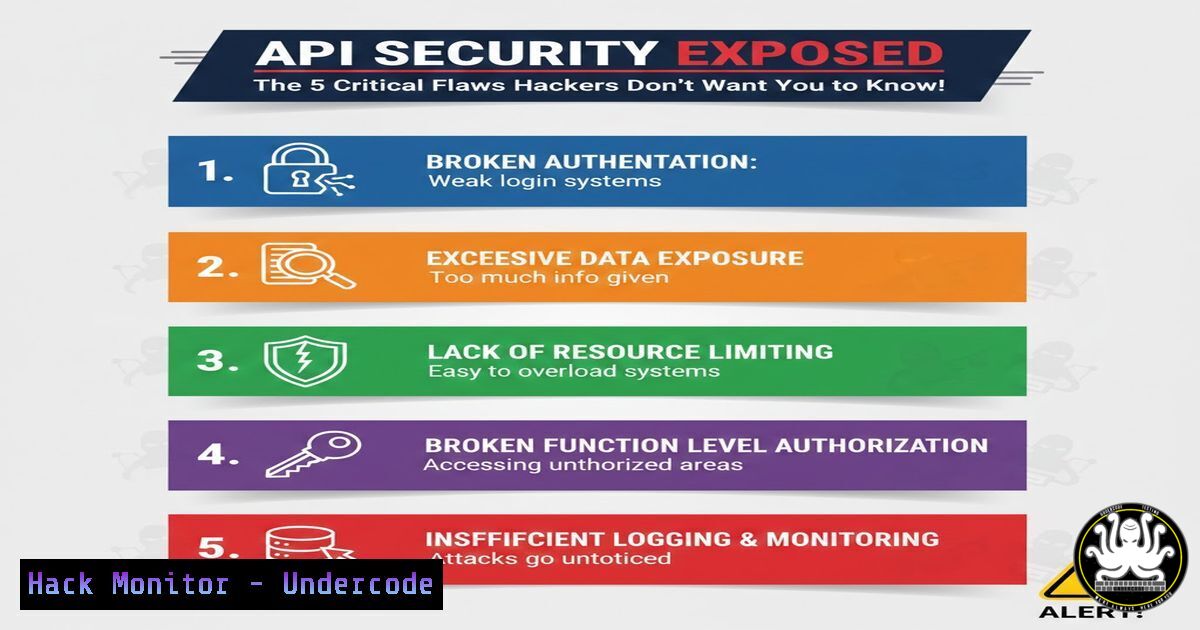 Introduction: In today’s interconnected digital ecosystem, APIs (Application Programming Interfaces) serve as the backbone of data exchange between systems. However, they are increasingly targeted by cybercriminals due to common misconfigurations and vulnerabilities. Understanding and securing APIs is paramount to protecting sensitive data and maintaining trust in IT infrastructures.
Learning Objectives:
- Identify the top five vulnerabilities in API security and their technical implications.
- Implement step-by-step mitigations using Linux/Windows commands, code snippets, and tool configurations.
- Integrate AI-driven tools and training courses for proactive API defense and continuous monitoring.
You Should Know:
- Insecure Direct Object References (IDOR) Exploitation and Mitigation
Step-by-step guide explaining what this does and how to use it.
IDOR allows attackers to bypass authorization by manipulating API parameters (e.g., user IDs or file paths) to access unauthorized data. To test, intercept API requests with Burp Suite (https://portswigger.net/burp) and modify object references. Mitigate by implementing access controls and using indirect references like UUIDs. On Linux, generate UUIDs withuuidgen. On Windows PowerShell, use::NewGuid().ToString()</code>. In your API code, add validation middleware: [bash] // Node.js example function validateUserAccess(req, res, next) { const requestedId = req.params.id; if (req.user.id !== requestedId && !req.user.isAdmin) { return res.status(403).json({ error: 'Forbidden' }); } next(); }Regularly audit APIs with OWASP ZAP (https://www.zaproxy.org) to detect IDOR flaws.
2. Broken Authentication: Hardening API Access
Step-by-step guide explaining what this does and how to use it.
Weak authentication mechanisms, such as exposed keys or weak tokens, lead to account takeover. Use OAuth 2.0 with PKCE and enforce multi-factor authentication. Rotate keys automatically using AWS Secrets Manager (https://aws.amazon.com/secrets-manager/) or HashiCorp Vault. Scan codebases for hardcoded keys: on Linux, run grep -r "api_key" /path/to/src/. On Windows, use findstr /s "api_key" .py .json. Implement JWT with short expiries and monitor with logging. Set up rate limiting in Nginx to block brute-force attacks:
http {
limit_req_zone $binary_remote_addr zone=auth:10m rate=5r/m;
server {
location /auth/ {
limit_req zone=auth burst=10 nodelay;
proxy_pass http://api_backend;
}
}
}
3. Excessive Data Exposure: Filtering and Redaction
Step-by-step guide explaining what this does and how to use it.
APIs often leak excess data in responses, exposing sensitive fields. Use server-side filtering with GraphQL or REST field selectors. Test with curl to identify leaks: curl -H "Authorization: Bearer <token>" https://api.example.com/users | jq '.data'. Install jq on Linux via sudo apt install jq. On Windows, use PowerShell: Invoke-RestMethod -Uri https://api.example.com/users | Select-Object id, name. Implement serializers in Django or Spring Boot to expose only allowed fields. Integrate AI tools like Amazon Macie (https://aws.amazon.com/macie/) to detect sensitive data patterns in logs.
- Lack of Resources & Rate Limiting: Configuring Defenses
Step-by-step guide explaining what this does and how to use it.
Without rate limiting, APIs are vulnerable to DoS attacks. Deploy rate limiting at the gateway (e.g., AWS API Gateway or Kong) and application layer. Use Cloudflare (https://www.cloudflare.com/ddos/) for DDoS protection. On Linux, configure fail2ban to block abusive IPs:sudo fail2ban-client set apiban action=iptables-multiport. On Windows, use IIS Dynamic IP Restrictions. Monitor traffic with `netstat -an | grep :443 | wc -l` on Linux or `Get-NetTCPConnection -LocalPort 443 | Measure-Object` on PowerShell. Set alerts in Prometheus/Grafana for spike detection. -
Insufficient Logging & Monitoring: Building a Security Stack
Step-by-step guide explaining what this does and how to use it.
Inadequate logging hinders incident response. Centralize logs with the ELK Stack (https://www.elastic.co/elk-stack) or Splunk. Log all API access, errors, and authentication events. On Linux, use `journalctl -u your-api -f` to tail logs. On Windows, query events withGet-WinEvent -FilterHashtable @{LogName='Application'; Source='YourAPI'}. Integrate AI-based monitoring like Darktrace (https://www.darktrace.com) for anomaly detection. Train teams via Cybrary (https://www.cybrary.it) courses on SIEM management.
6. Misconfigured CORS Policies: Secure Cross-Origin Requests
Step-by-step guide explaining what this does and how to use it.
Overly permissive CORS policies allow malicious sites to access APIs. Restrict origins to trusted domains only. Test with curl: `curl -H "Origin: https://evil.com" -I https://api.example.com/data`. If `Access-Control-Allow-Origin: ` appears, it's misconfigured. In Express.js, configure CORS properly:
const corsOptions = {
origin: ['https://trusted.com', 'https://app.trusted.com'],
methods: ['GET', 'POST'],
allowedHeaders: ['Content-Type', 'Authorization']
};
app.use(cors(corsOptions));
For cloud APIs, use AWS WAF (https://aws.amazon.com/waf/) to enforce CORS rules via web ACLs.
7. Using Outdated Dependencies: Automated Vulnerability Scanning
Step-by-step guide explaining what this does and how to use it.
Outdated libraries introduce known vulnerabilities (e.g., Log4j). Automate scanning with Snyk (https://snyk.io) or OWASP Dependency-Check. Integrate into CI/CD pipelines: for GitHub Actions, add a step with snyk test --all-projects. On Linux, update packages with sudo apt update && sudo apt upgrade -y. On Windows, use choco upgrade all -y. For containerized APIs, scan images with Trivy: trivy image your-api:latest. Enroll in training courses like Offensive Security's PEN-200 (https://www.offensive-security.com) to stay updated on exploitation techniques.
What Undercode Say:
- Key Takeaway 1: API security requires a defense-in-depth approach, combining proper authentication, data filtering, and real-time monitoring to mitigate risks across IT environments.
- Key Takeaway 2: Automation through AI tools and continuous training is non-negotiable for identifying vulnerabilities and responding to threats in cloud-native and hybrid infrastructures.
Analysis: APIs are the silent workhorses of modern digital services, yet their security is often an afterthought. The technical steps outlined—from command-line hardening to AI integration—highlight that proactive measures can prevent majority of breaches. Organizations must shift left by embedding security into DevOps, leveraging courses from platforms like Coursera (https://www.coursera.org/courses?query=api+security) to upskill teams. The convergence of IT, AI, and cybersecurity demands that API protection evolve beyond basic checks to adaptive, intelligent systems.
Prediction:
API attacks will surge with AI-driven exploitation tools, targeting IoT and microservices architectures. However, AI will also revolutionize defense via predictive analytics and autonomous patching. Within 5 years, we'll see widespread adoption of zero-trust API gateways and mandatory security training certifications, reducing breaches by 40%. Cloud providers will integrate real-time vulnerability assessment as a standard feature, making API security a core component of IT education and cyber insurance policies.
▶️ Related Video (82% Match):
🎯Let’s Practice For Free:
IT/Security Reporter URL:
Reported By: Darlenenewman Four - Hackers Feeds
Extra Hub: Undercode MoN
Basic Verification: Pass ✅


