Listen to this Post
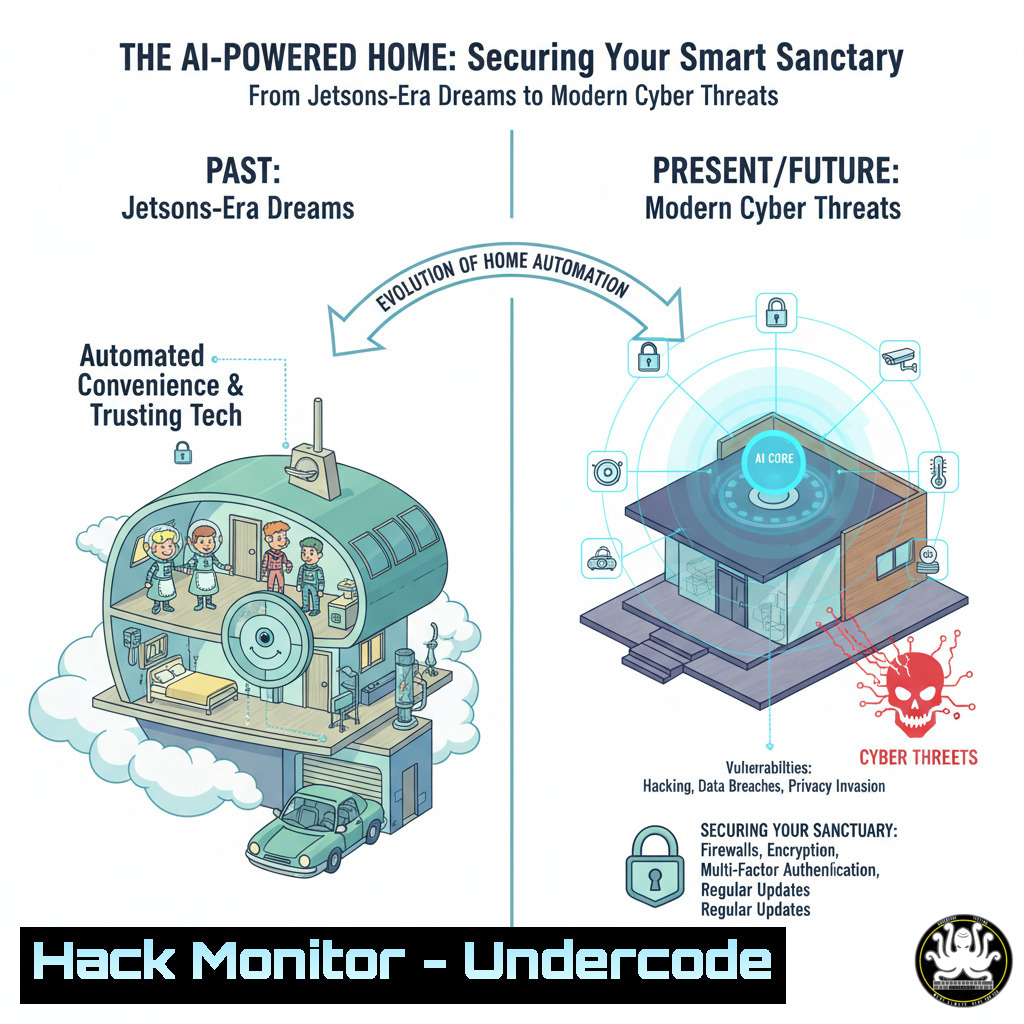
Introduction:
The vision of a fully automated, AI-driven home has evolved from science fiction to an attainable reality, yet this convenience introduces unprecedented cybersecurity challenges. As smart devices like Roombas, AI assistants, and IoT ecosystems become ubiquitous, they create a vast attack surface for malicious actors seeking to infiltrate private networks. This article provides a technical deep dive into securing modern smart homes against the vulnerabilities that futuristic technology inevitably brings.
Learning Objectives:
- Understand common attack vectors in IoT and smart home ecosystems
- Master network segmentation and traffic monitoring for connected devices
- Implement security hardening for AI-powered devices and assistants
You Should Know:
1. Network Segmentation for IoT Devices
`iptables -A FORWARD -i eth0 -o wlan0 -m state –state RELATED,ESTABLISHED -j ACCEPT`
`iptables -A FORWARD -i wlan0 -o eth0 -j ACCEPT`
`iptables -t nat -A POSTROUTING -o eth0 -j MASQUERADE`
Step-by-step guide: Create a separate VLAN for IoT devices to prevent lateral movement if compromised. These iptables rules route traffic from your IoT network (wlan0) to your main network (eth0) while maintaining state tracking. Implement this on a dedicated router or Linux box acting as a firewall between network segments.
2. Monitoring Smart Device Network Activity
`tcpdump -i wlan0 -w iot_traffic.pcap host 192.168.5.23 and port not 443`
`tshark -r iot_traffic.pcap -Y “http.request” -T fields -e ip.src -e http.host -e http.request.uri`
Step-by-step guide: Capture and analyze traffic from your smart devices to detect suspicious communications. The first command captures traffic from your IoT interface filtering to a specific device and excluding encrypted traffic. The second command analyzes the capture file for HTTP requests showing source IP, destination host, and requested URIs.
3. Hardening AI Assistant Configurations
`aws iot describe-thing –thing-name “AlexaDevice” –query ‘attributes’`
`aws iot update-thing –thing-name “AlexaDevice” –attribute ‘{“SecurityLevel”:”high”}’`
Step-by-step guide: For cloud-connected AI devices, review and update security attributes through provider APIs. These AWS IoT commands first retrieve current device attributes then update the security level. Implement similar checks for Google Assistant and other AI ecosystems.
4. Detecting Anomalous Device Behavior
`zeek -i eth0 -C -s -U .status -p zeek/scripts/policy/misc/scan.zeek`
`cat conn.log | zeek-cut id.orig_h id.resp_h id.resp_p duration | sort -n | uniq -c | sort -nr`
Step-by-step guide: Use network monitoring tools like Zeek (formerly Bro) to detect scanning and anomalous behavior from smart devices. The first command runs Zeek monitoring with the scan detection script. The second processes the connection log to show frequent communications patterns.
5. Securing Device Firmware Updates
`openssl dgst -sha256 -verify public.key -signature update.sig firmware.bin`
`sha256sum firmware.bin | awk ‘{print $1}’ > computed_hash.txt`
Step-by-step guide: Verify firmware integrity before installation. The first command verifies a cryptographic signature using the manufacturer’s public key. The second computes the SHA256 hash for comparison against published values. Always validate updates before deployment.
6. Controlling Device Permissions Programmatically
`adb shell pm list permissions -d -g`
`adb shell pm revoke com.roomba.app android.permission.ACCESS_FINE_LOCATION`
Step-by-step guide: For Android-based smart devices, use ADB to review and revoke unnecessary permissions. The first command lists dangerous permission groups, while the second revokes specific permissions from applications.
7. Implementing Automated Security Patching
`!/bin/bash`
`apt-get update && apt-get upgrade -y`
`systemctl list-units –type=service –state=running | grep -E ‘(roomba|alexa|google)’`
`systemctl restart smart-device-service`
Step-by-step guide: Create automated patching scripts for Linux-based smart devices. This bash script updates packages, identifies running smart device services, and restarts them appropriately. Schedule with cron for regular execution.
What Undercode Say:
- The convenience-intelligence tradeoff creates critical security gaps most consumers ignore
- Default configurations in AI devices prioritize functionality over security by design
- analysis: The romanticized Jetsons-era vision of automated homes has materialized as a complex attack surface where vacuum cleaners become surveillance tools and AI assistants turn into always-listening bugs. Manufacturers race to market with minimal security considerations, leaving consumers responsible for securing ecosystems they barely understand. The technical reality is that every smart device represents a potential entry point that requires deliberate hardening through network segmentation, continuous monitoring, and strict access controls.
Prediction:
Within 5 years, we’ll see the first major ransomware attack targeting smart home ecosystems, holding families hostage by disabling security systems, locking smart doors, and threatening to publicize private home data. This will trigger industry-wide security standards for consumer IoT devices and create a new cybersecurity specialization focused on residential infrastructure protection.
🎯Let’s Practice For Free:
IT/Security Reporter URL:
Reported By: https://lnkd.in/p/dCGgWygB – Hackers Feeds
Extra Hub: Undercode MoN
Basic Verification: Pass ✅


